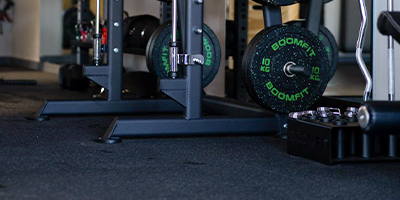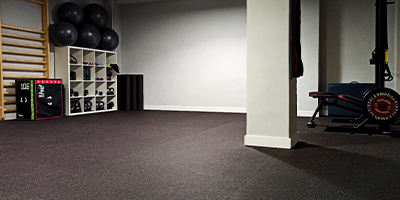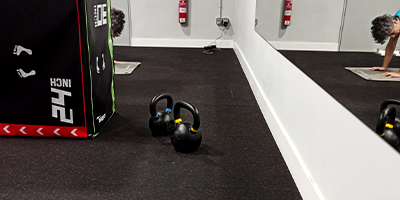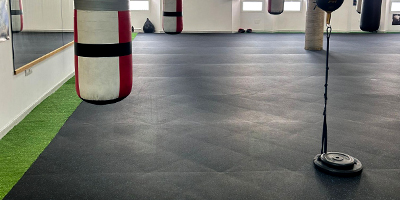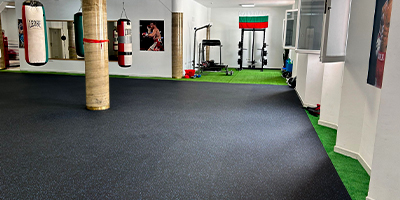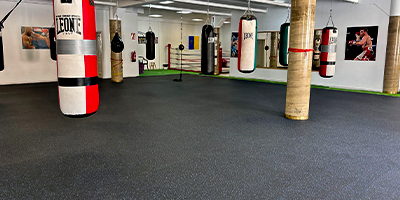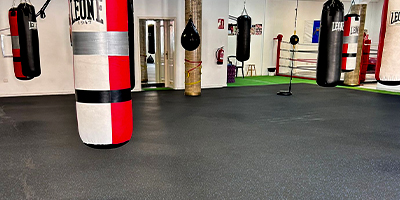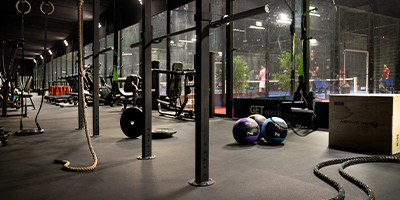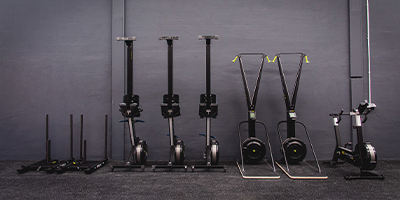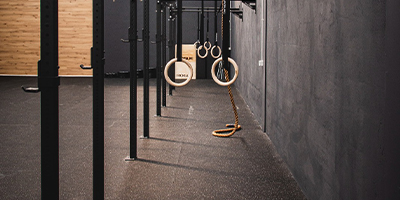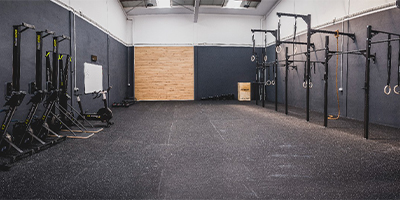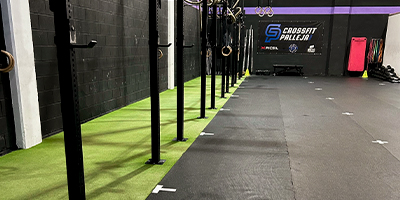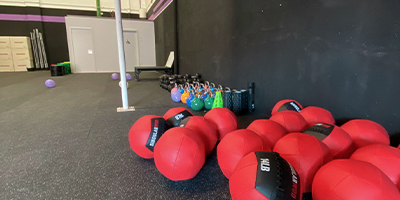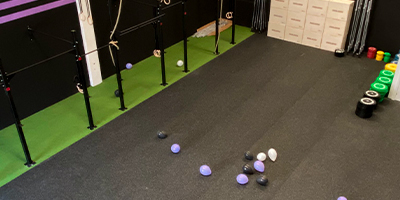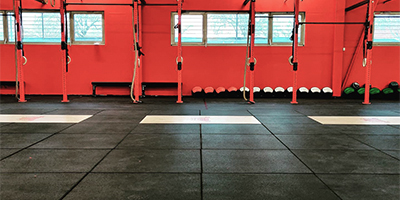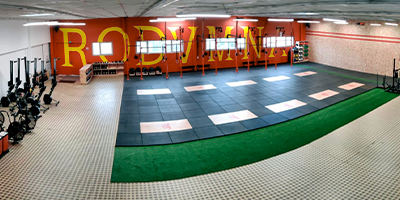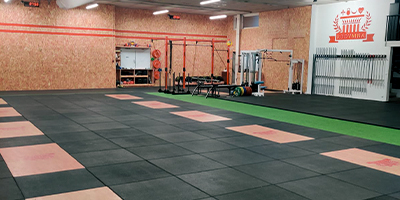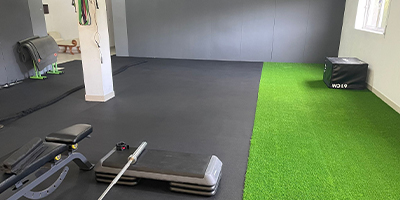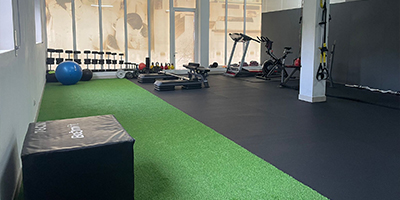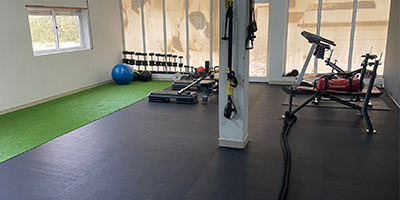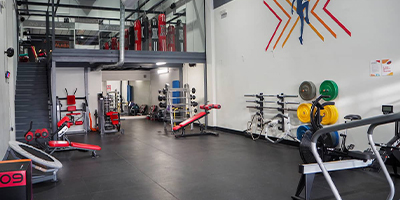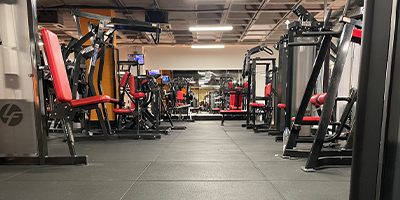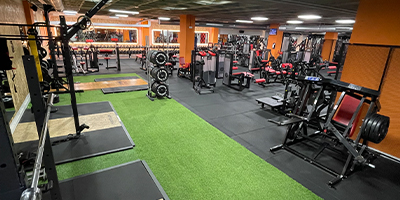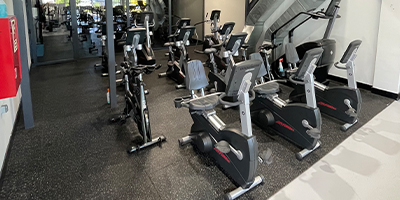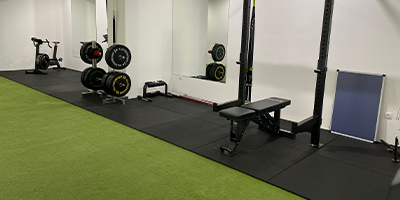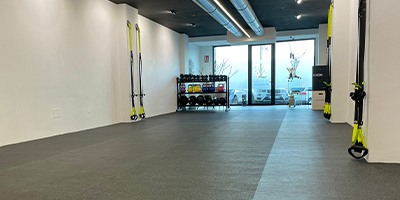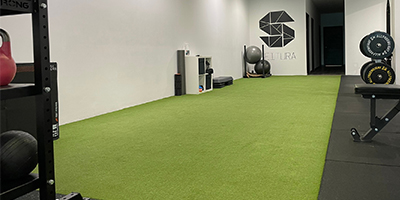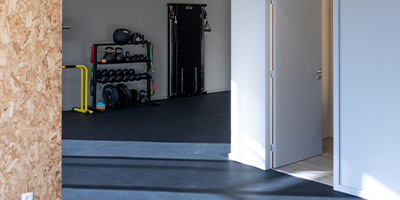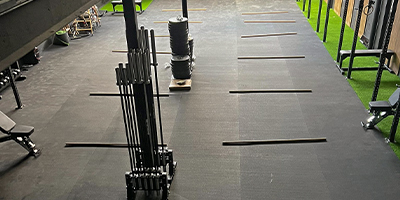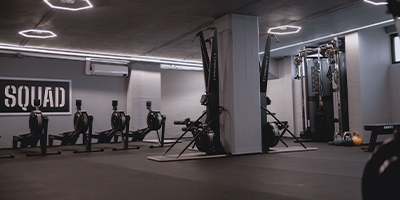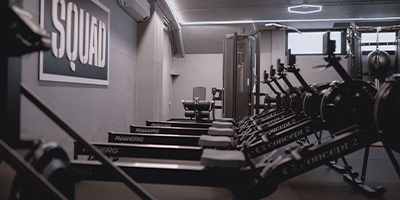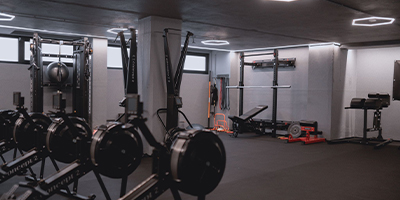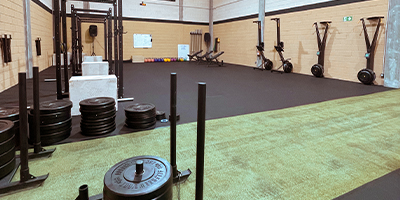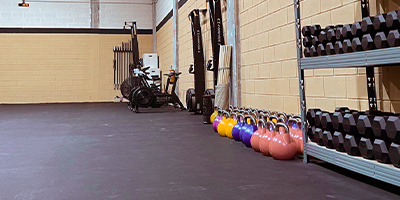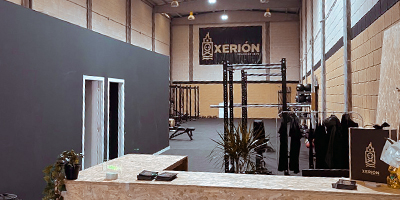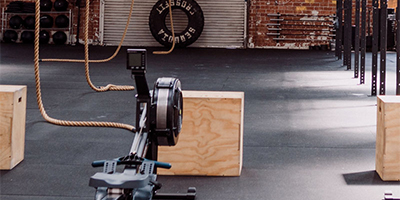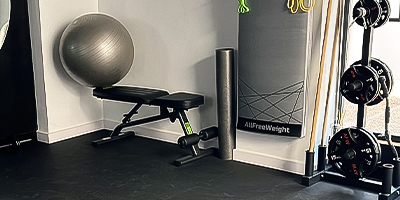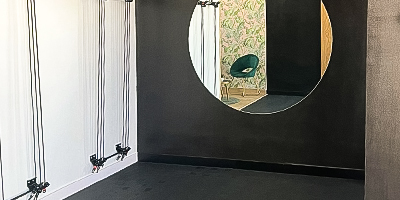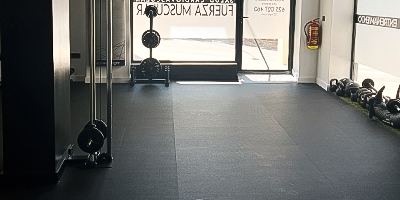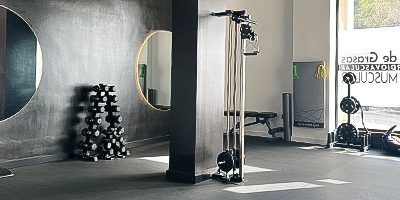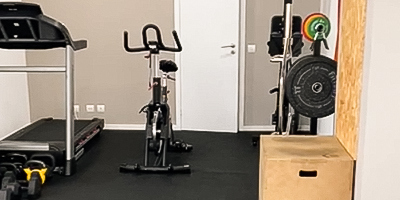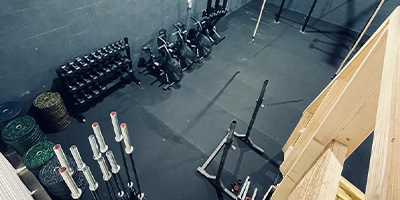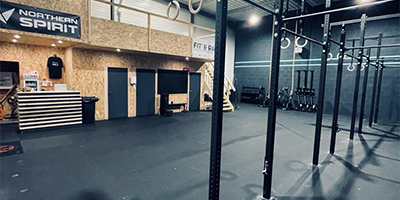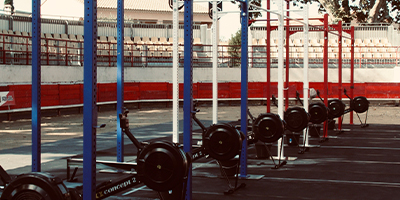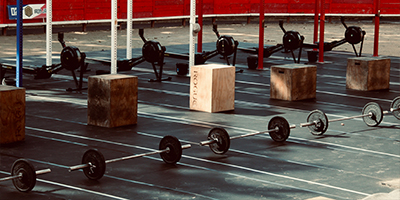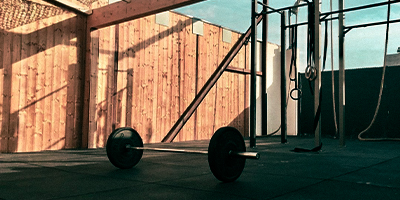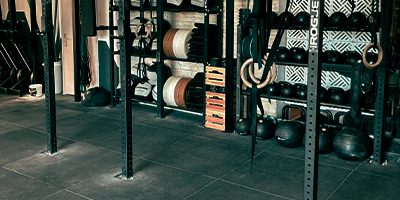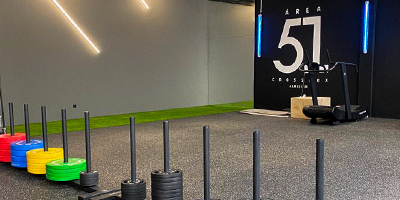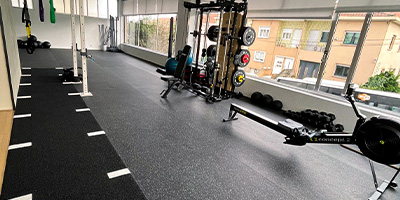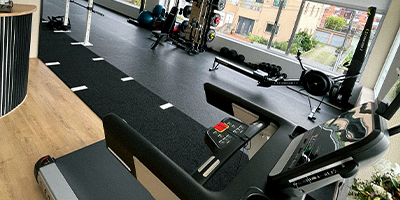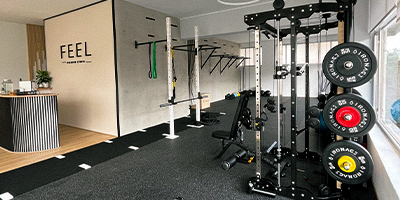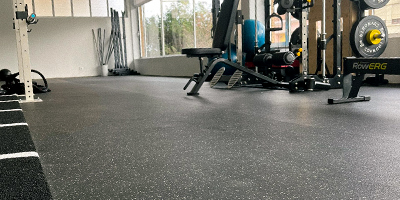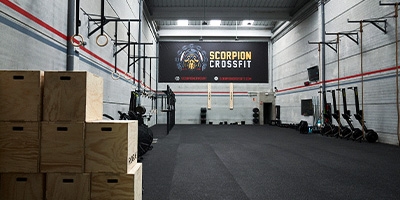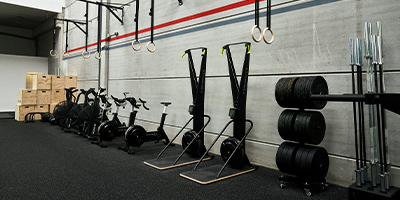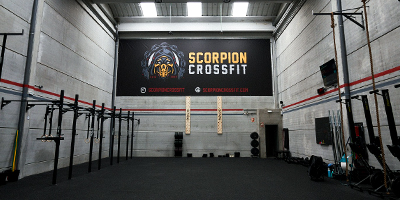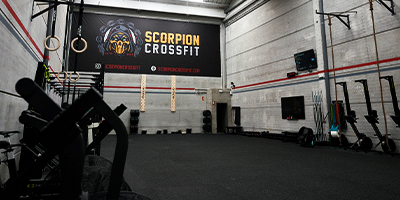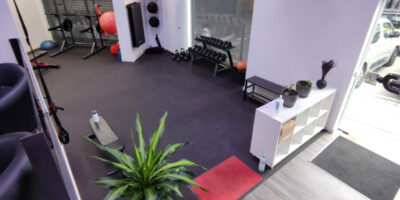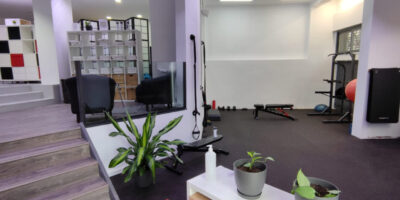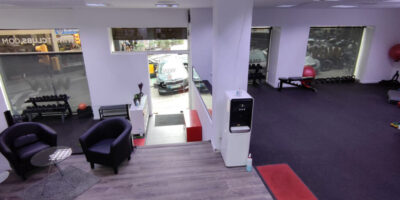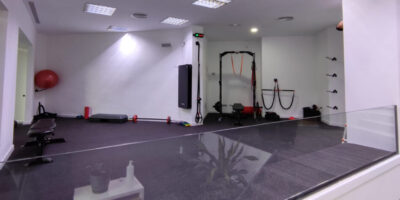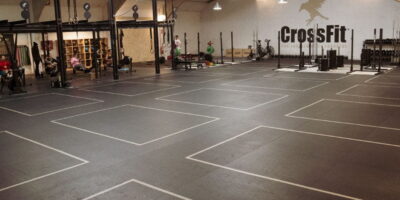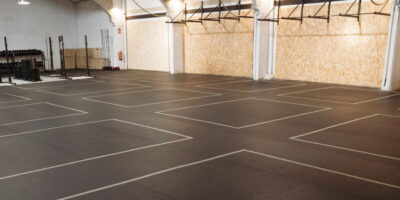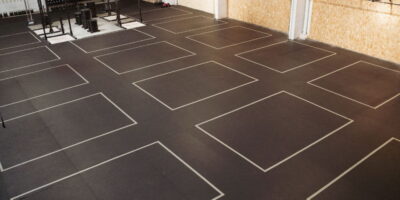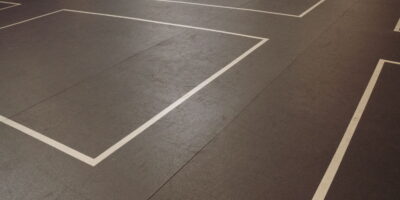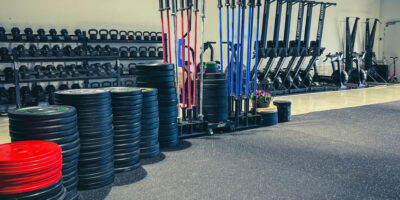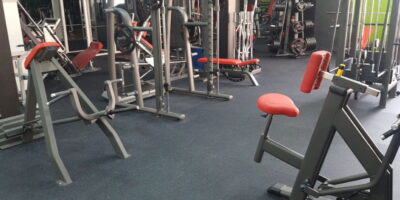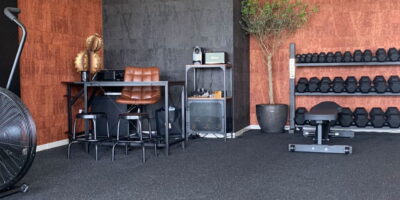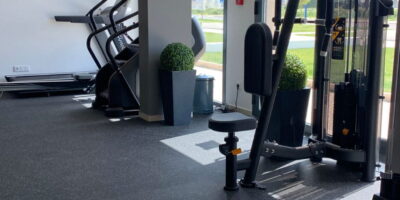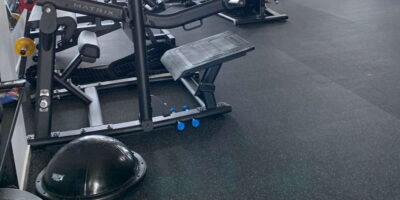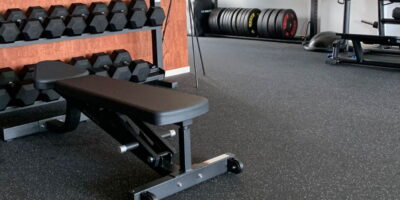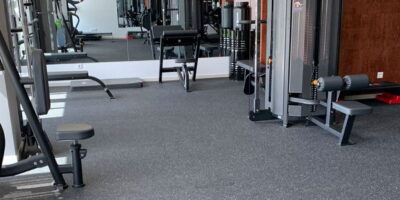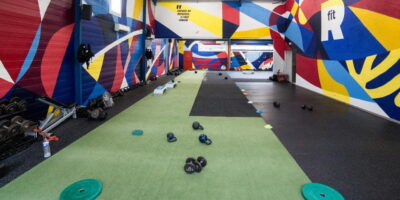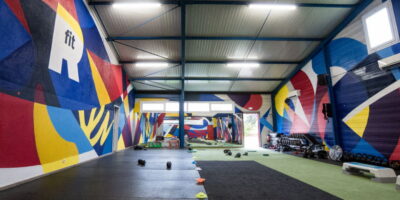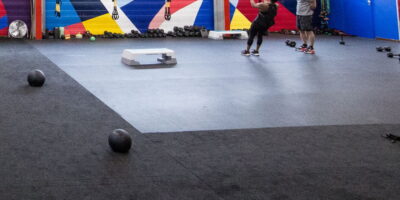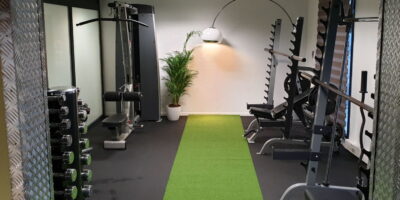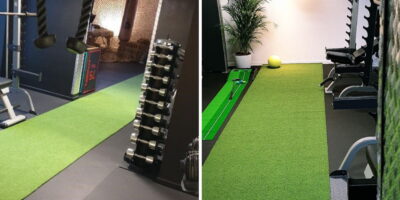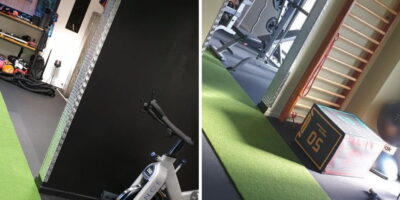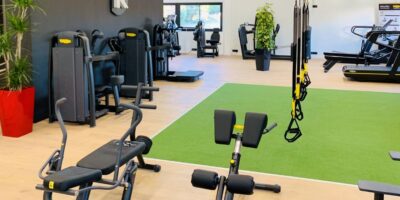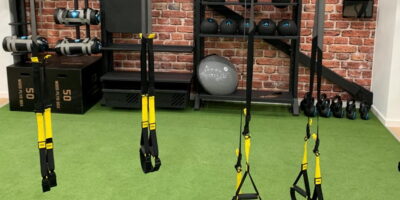


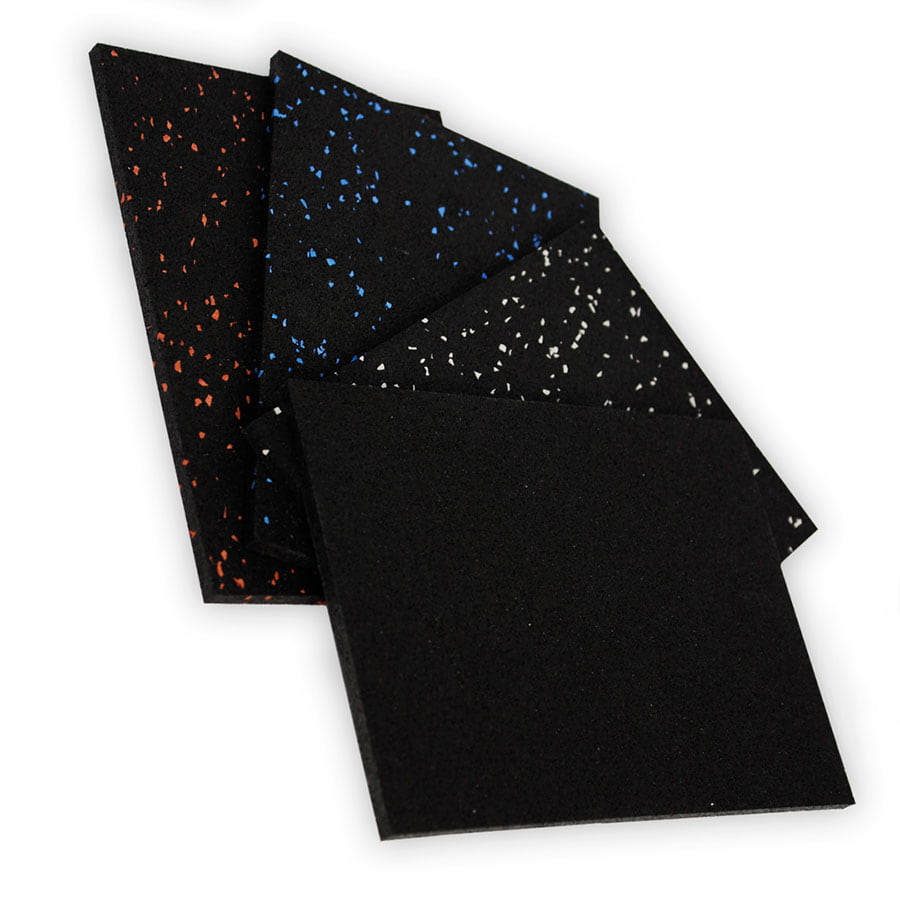


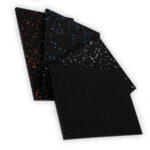

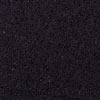
 Black
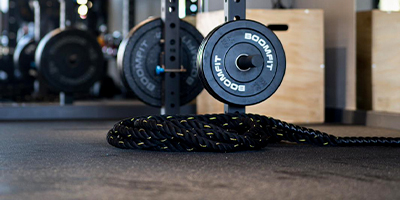
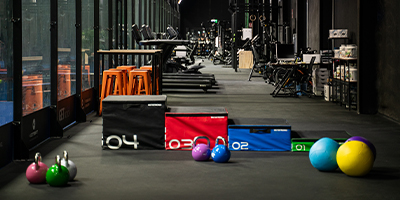
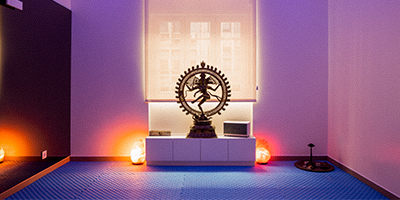
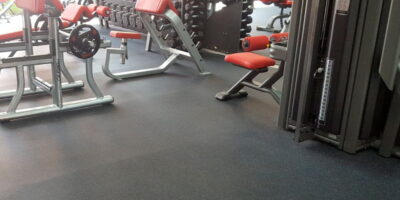
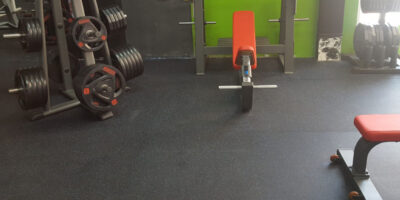
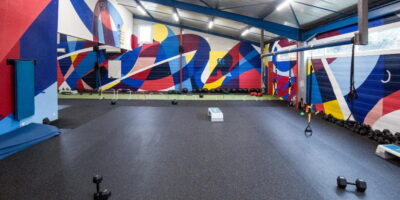
Black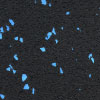 Black and Blue
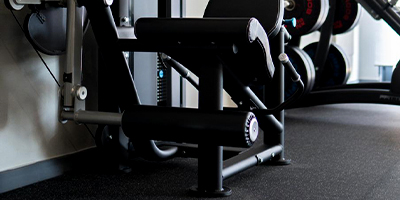
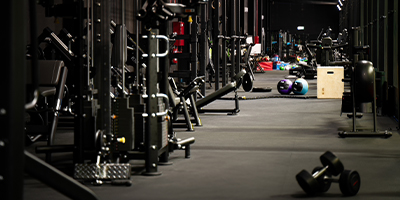
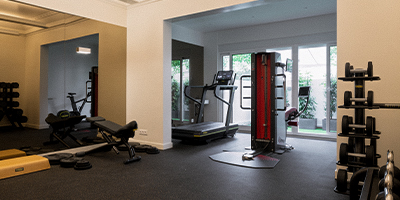
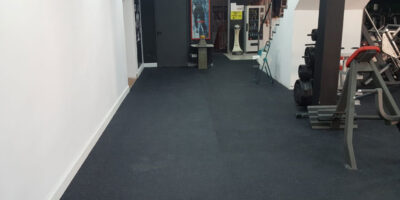
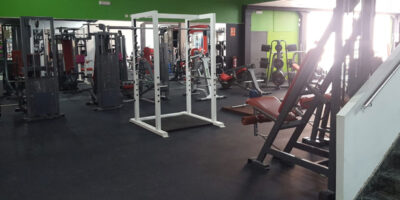
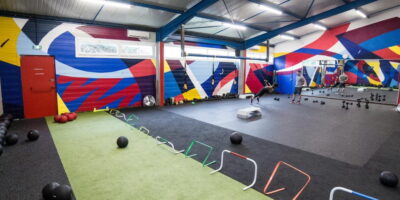
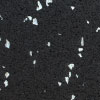 Black and White
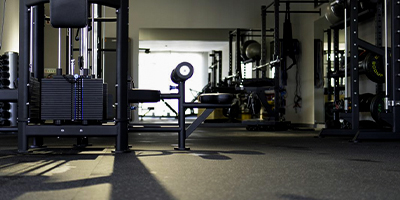
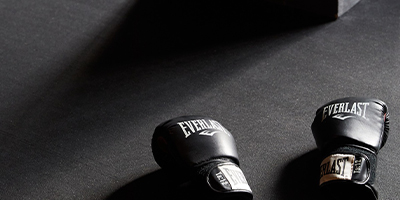
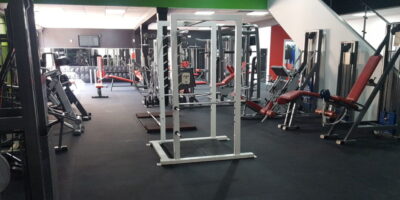
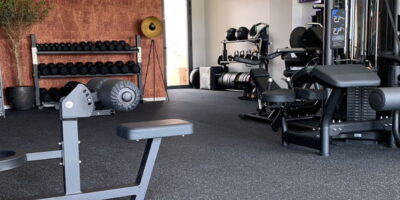
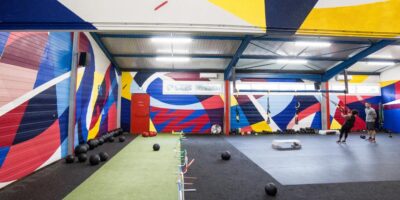
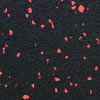 Black and Red
Why choose rubber gym flooring rolls?
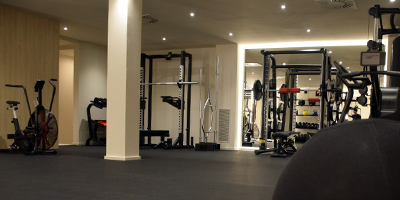
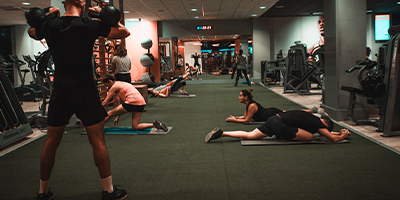
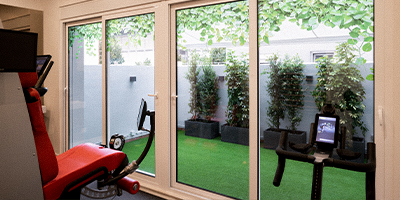
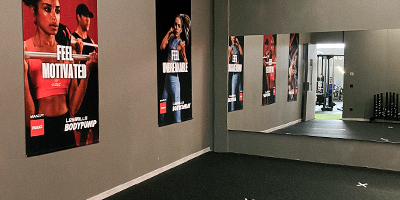
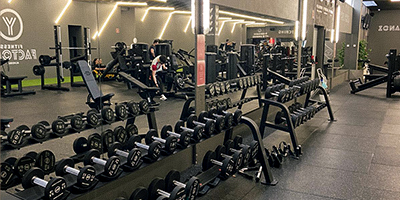
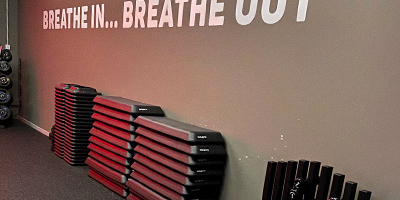
In a fitness studio, group exercise room or cardio area, the biggest challenge isn’t heavy barbell drops. It’s constant foot traffic, equipment movement and keeping the space looking professional. Rubber gym flooring rolls solve all three by creating a smooth, continuous surface with far fewer seams than rubber tiles while standing up to intensive daily use without marking or shedding granules.
Gymfloor is manufactured from compact recycled rubber with EPDM particles, creating a smooth, low-porosity surface available in several colour combinations. With a density of approximately 980 kg/m³, it maintains its performance year after year, even in busy commercial gyms.
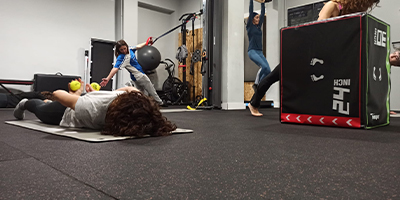
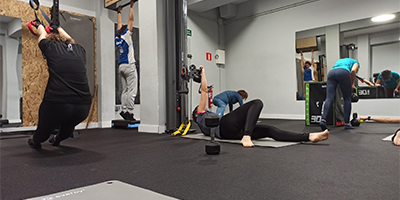
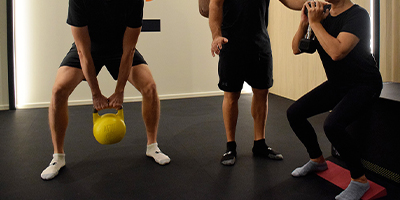
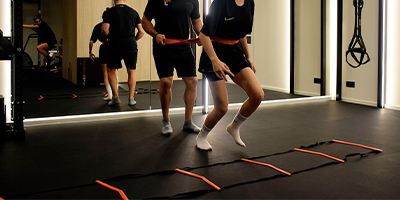
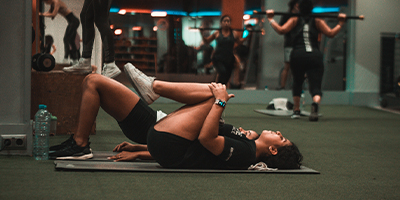
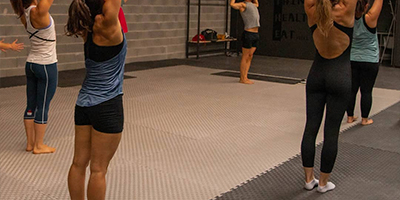
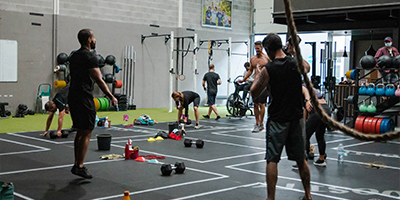
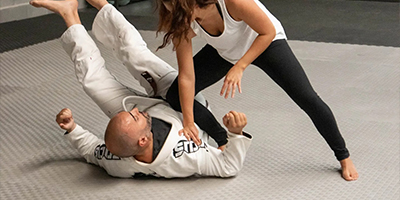
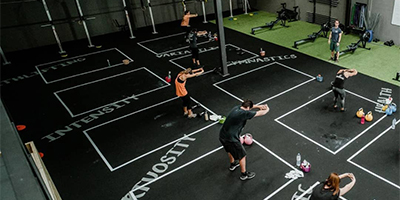
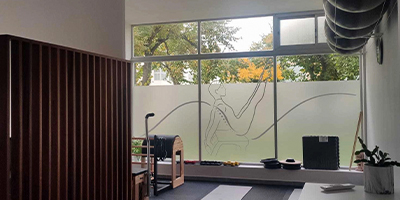
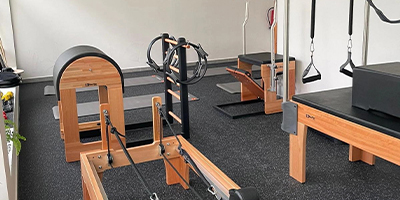
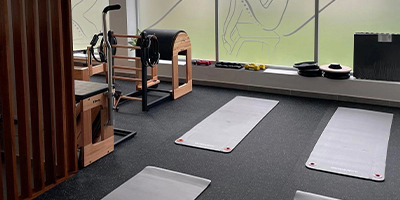
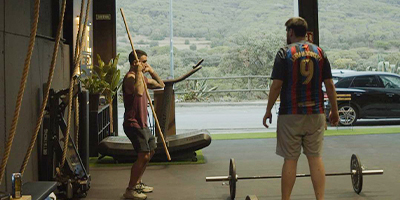
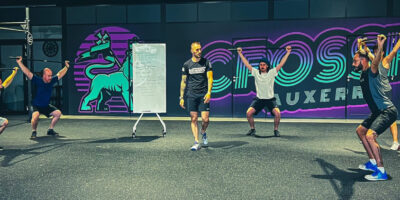
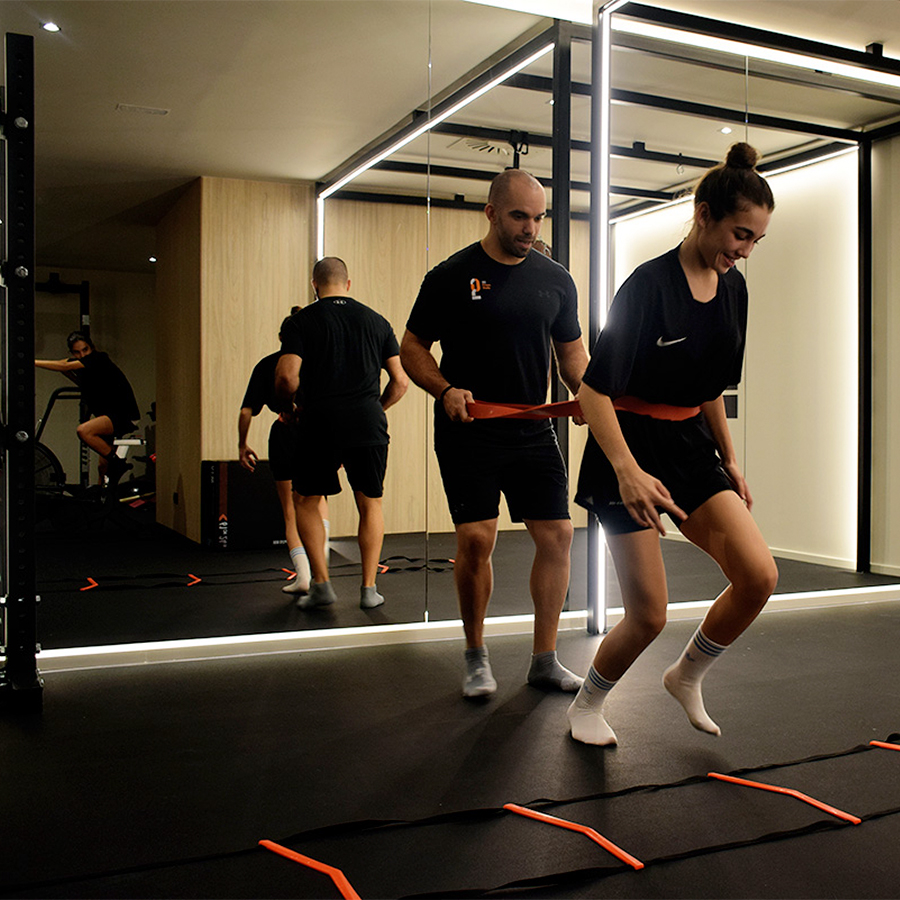
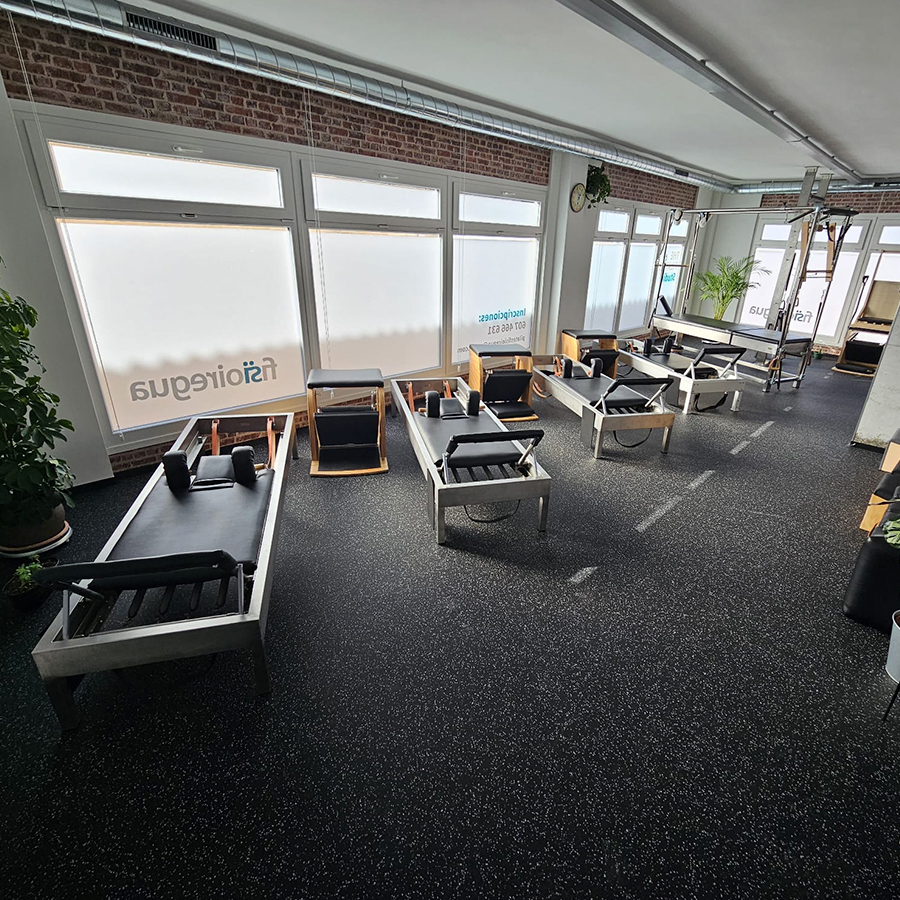
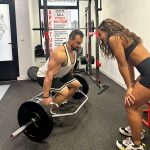
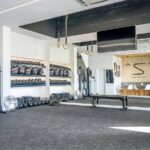
If one room is used for different activities, the flooring needs to perform equally well throughout the day. Gymfloor is suitable for functional training, light strength training, cardio, yoga, pilates, physiotherapy and group exercise classes, making it the preferred choice for fitness studios and multi-purpose training facilities.
Flooring designed for multi-purpose training spaces
Its non-slip surface provides excellent grip during movement, while the resilient rubber helps reduce stress on joints throughout long training sessions.
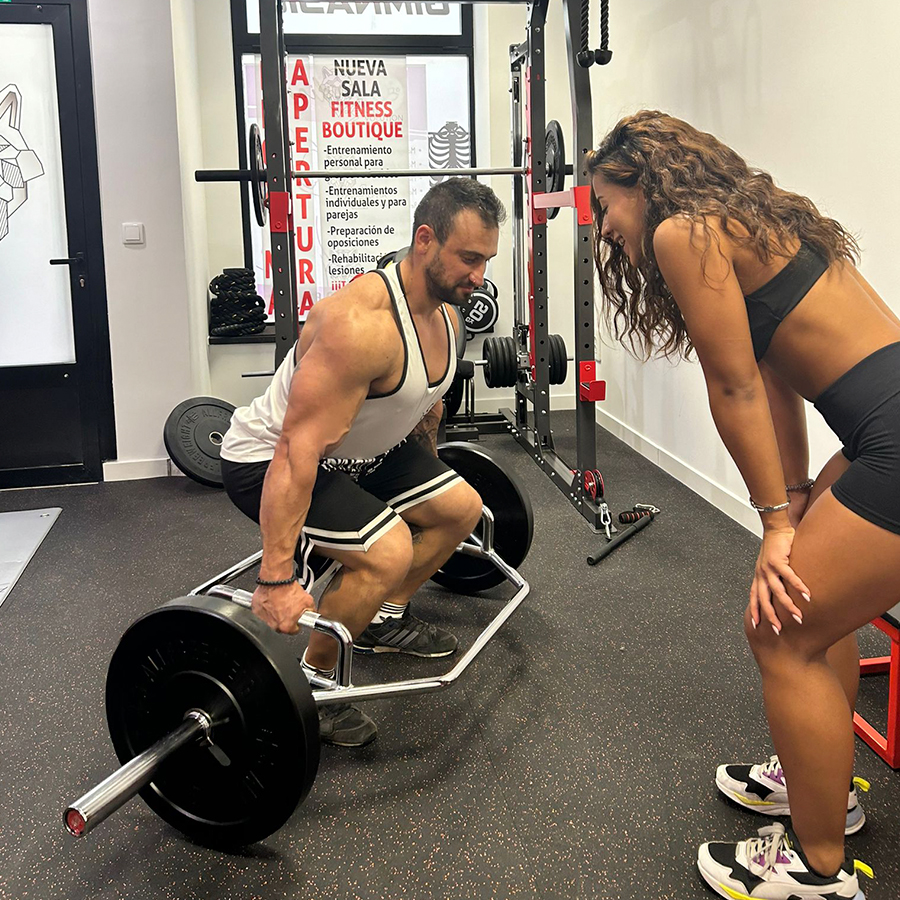
Gymfloor isn’t designed for Olympic weightlifting or repeated heavy barbell drops. For dedicated free-weight and CrossFit lifting areas, thicker rubber tiles are the better choice. Everywhere else, rubber rolls provide the most versatile flooring solution.
A seamless finish that enhances your gym
This is where rubber rolls clearly differ from rubber tiles.
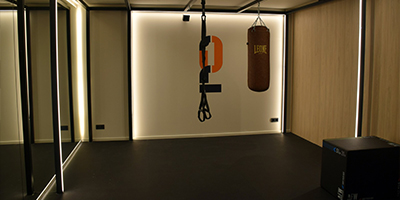
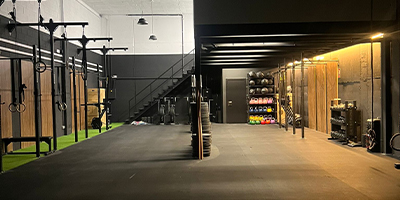
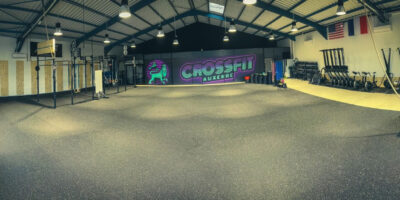
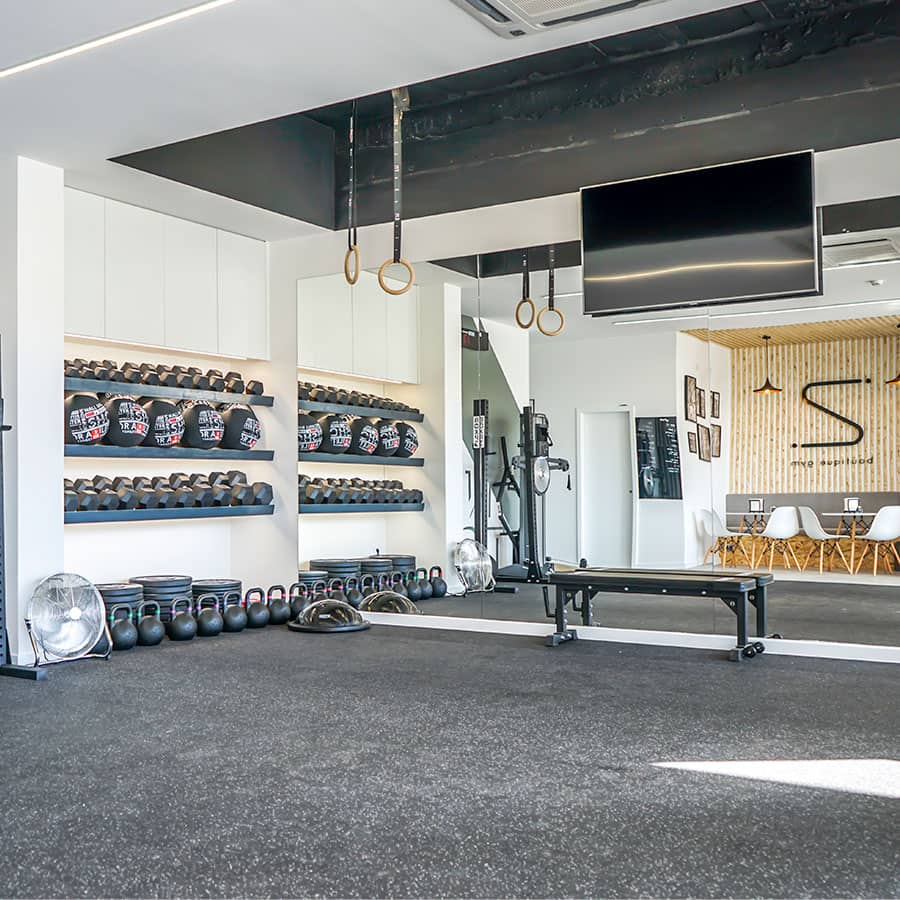
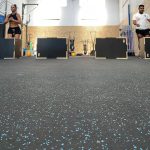
Installing rolls creates a clean, almost seamless surface with far fewer visible joints. The smooth finish is easier to clean and prevents dirt from building up between seams, helping your facility maintain a professional appearance.
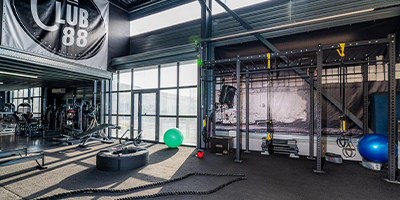
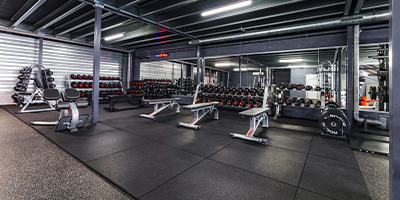
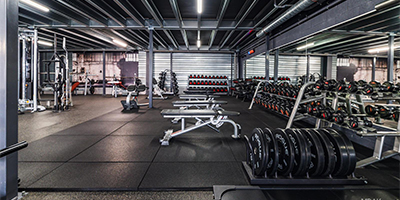
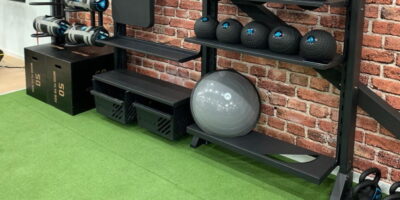
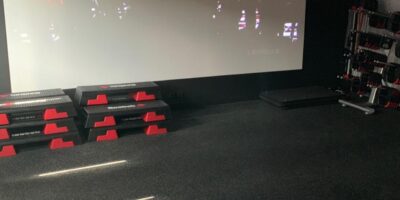
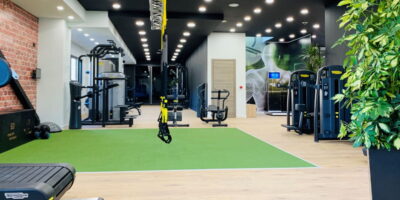
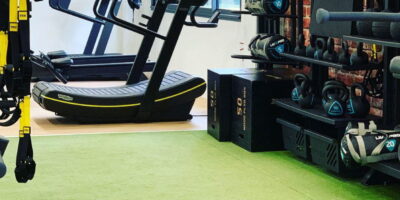
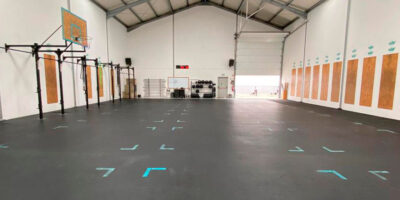
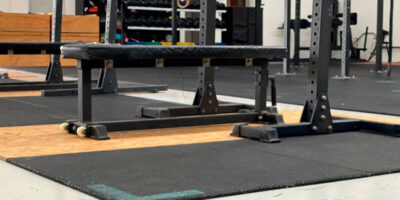
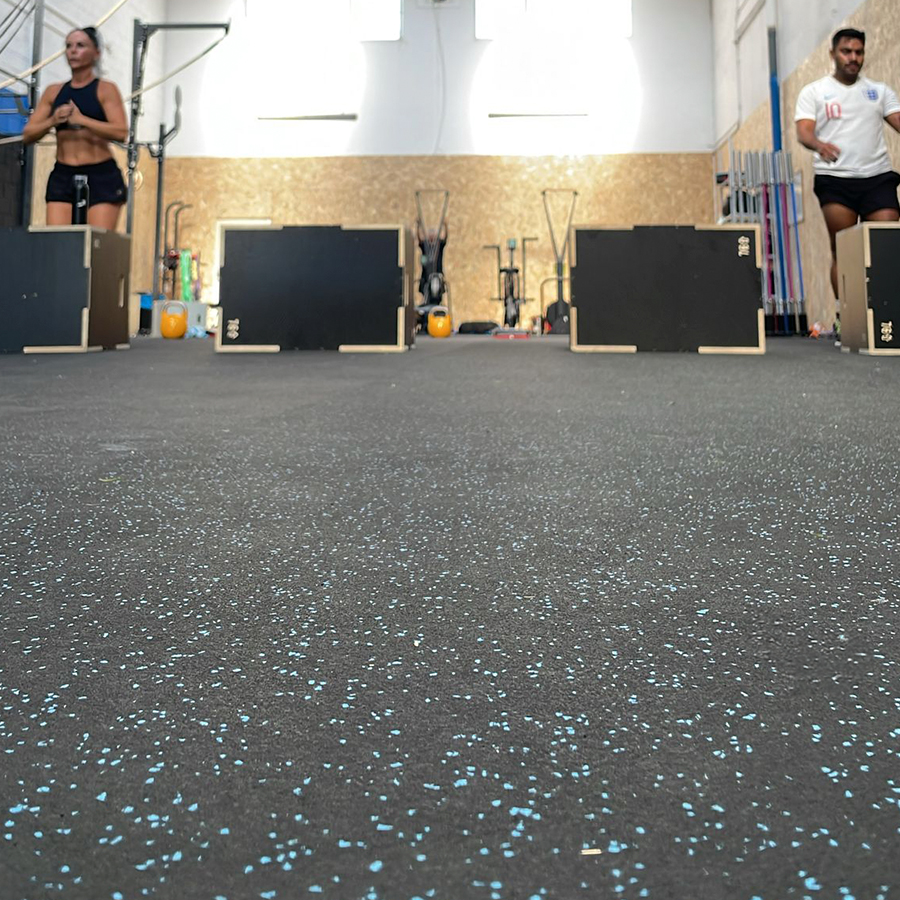
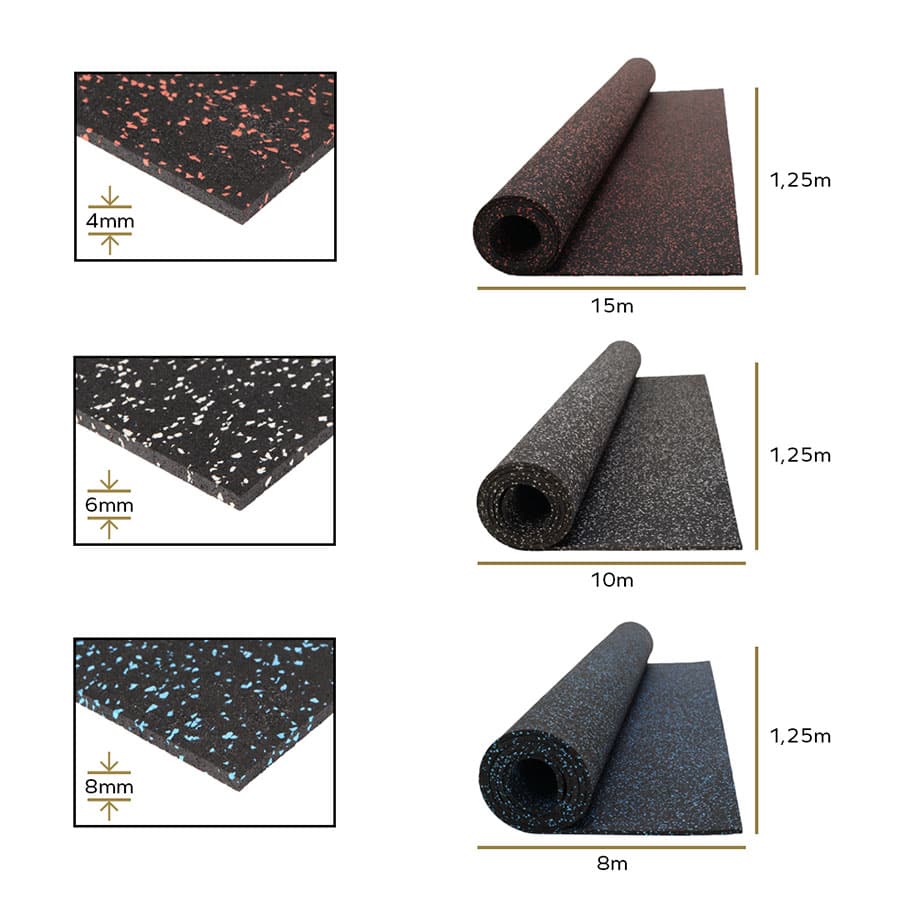
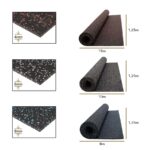
Available in Black, Black & Blue, Black & White and Black & Red, Gymfloor allows you to match your flooring to your brand identity while creating a training environment that looks as good as it performs.
Easy to install. Easy to relocate.
Gymfloor can be installed using double-sided tape, making it an excellent solution for rented facilities because it won’t damage the existing floor and can be removed if you relocate.
For permanent installations, or when using the 4 mm version, we recommend polyurethane adhesive.
Daily maintenance is straightforward: vacuum regularly and clean with a neutral pH detergent.
Which rubber gym flooring roll thickness should you choose?
Gymfloor is available in 4 mm, 6 mm and 8 mm, designed for comfort and intensive foot traffic rather than repeated heavy impacts.
4 mm – Walkways, corridors and light-use areas. Always glue this version.
6 mm – Fitness studios, cardio zones and light functional training. The most popular choice.
8 mm – Multi-purpose training rooms requiring greater comfort and durability.
Each roll is 1.25 metres wide and covers between 10 and 18.75 m², depending on the thickness.
Rubber rolls or rubber tiles?
The right flooring depends on how your facility is used.
Rubber rolls are ideal for fitness studios, cardio areas, personal training spaces and multi-purpose gyms where appearance, comfort and a seamless finish are the priority.
Rubber tiles are specifically designed for free-weight areas, Olympic lifting and CrossFit zones where the floor must absorb repeated heavy impacts.
Many commercial gyms combine both solutions by installing rubber rolls throughout the facility and rubber tiles only in heavy lifting areas.
Trusted by gyms across Europe since 2012
Since 2012, Geometrik has supplied rubber gym flooring to commercial gyms, fitness studios and sports facilities across Europe.
Gymfloor is chosen by professionals looking for durable flooring that’s easy to maintain, quick to install and built for intensive daily use.