





 Black
BlackWhy choose rubber flooring for your gym?
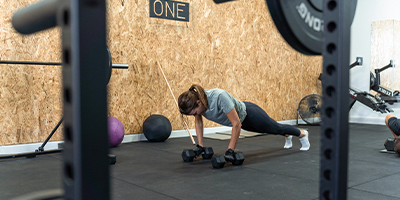
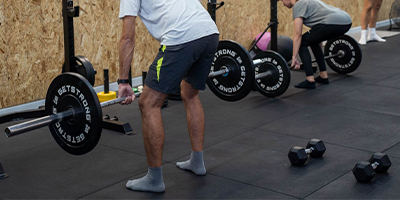
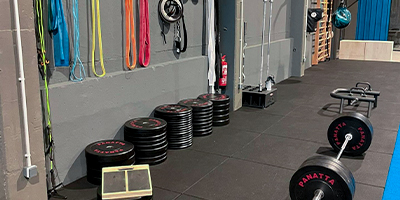
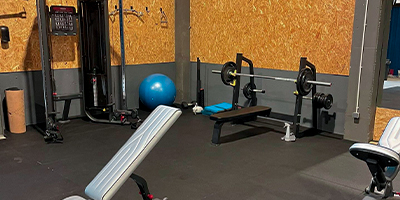
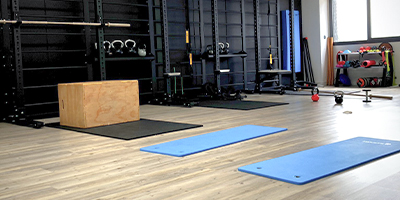
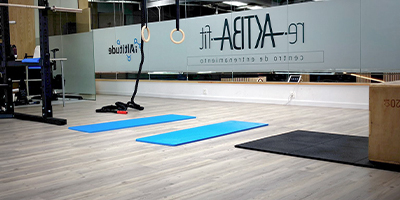
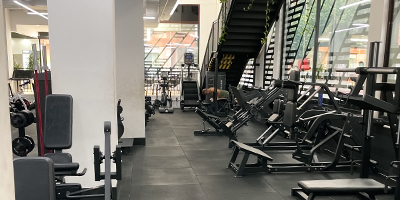
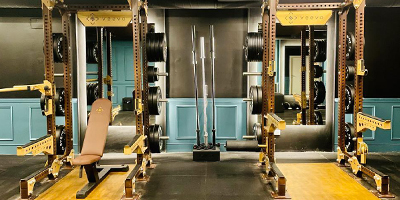
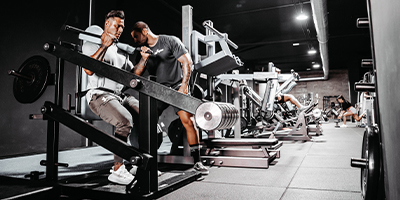
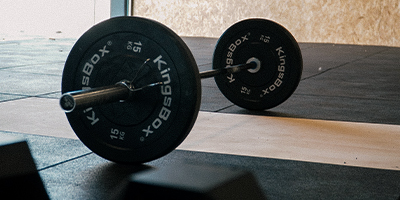
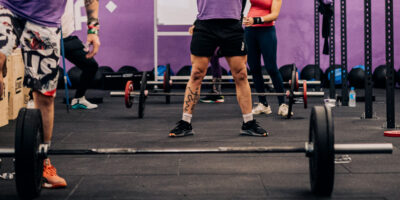
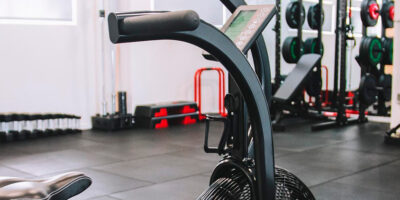
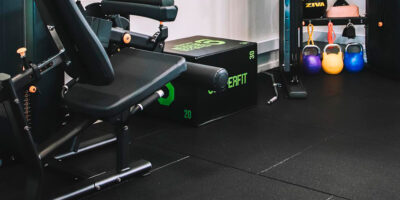
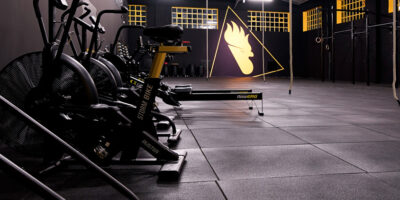
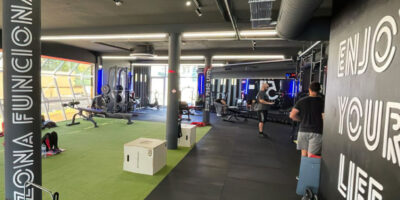
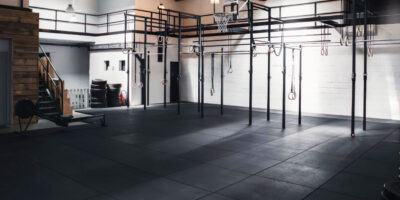
In a box, a functional training studio or a weightlifting area, the bar drops hundreds of times a week. If the floor doesn’t cushion the impact, it cracks the original surface, wears your equipment out early and sends noise and vibration through the rest of the building. Rubber gym flooring solves this. But it only works if it has the right density and thickness for what you train: a tile that’s too thin in a weightlifting zone wears out in months and forces you to replace everything too soon.
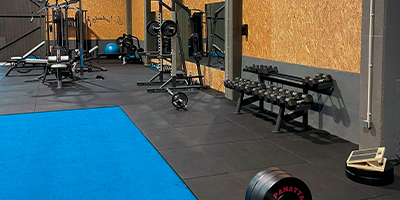
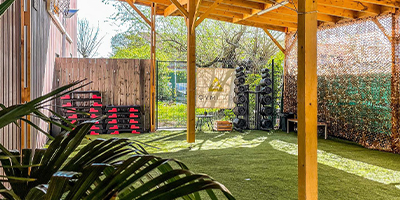
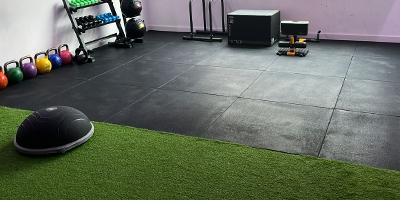
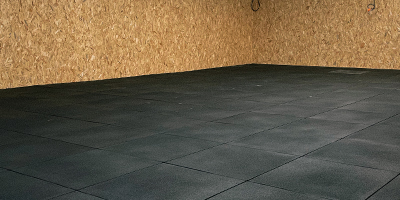
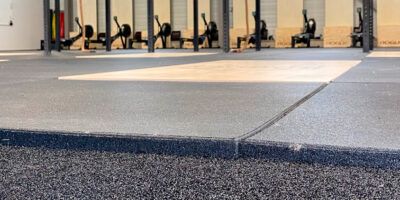
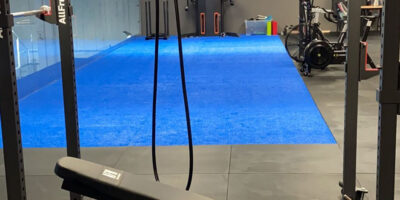
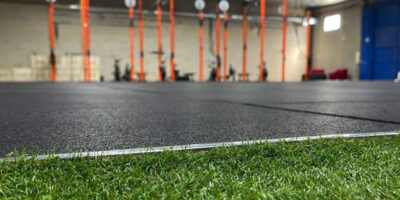
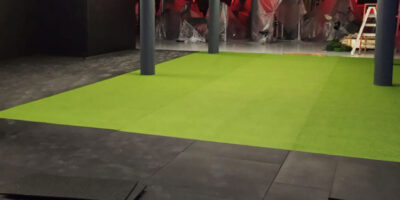
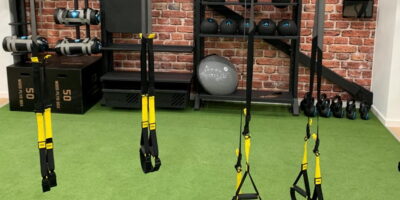
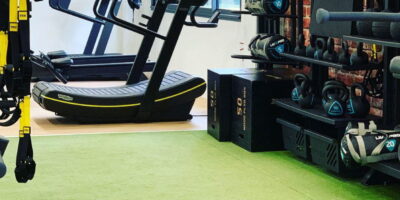
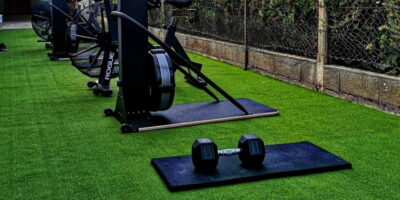
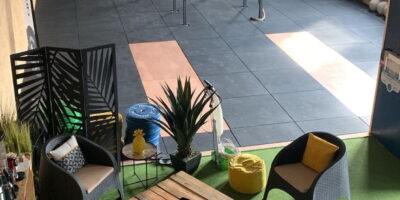
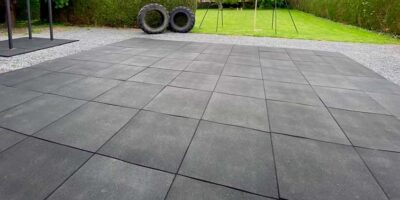
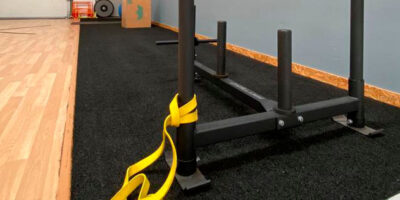
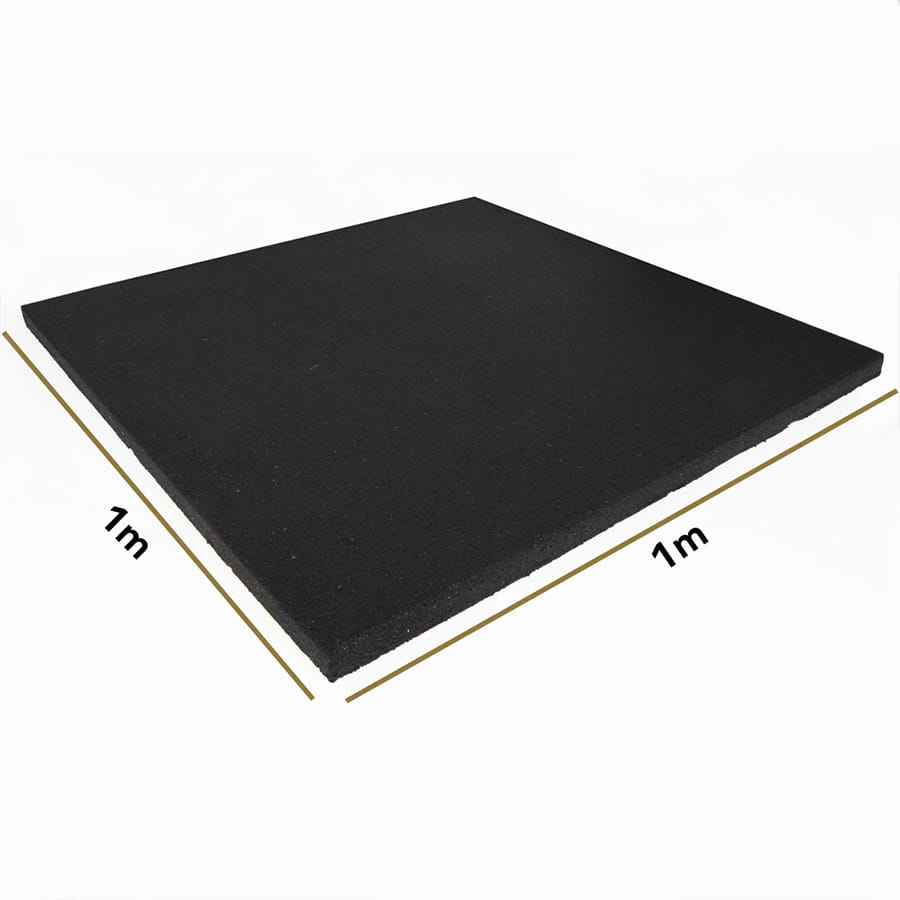
Alpha RX tiles are made from recycled rubber granules bound with polyurethane, at around 950kg/m³ density. You choose the thickness between 10 and 40mm, lay it indoors or outdoors, and in most cases you simply put it down.
Cuts noise, vibration and the impact of dropped weights
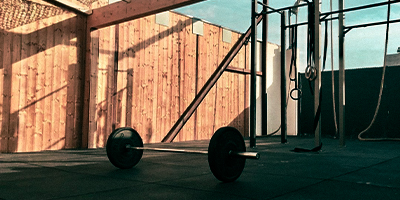
In training with loads, most of the impact energy goes straight into the floor and the building structure. Alpha RX absorbs that energy instead of passing it on, which lowers the noise and vibration reaching your neighbours.
If your gym is in a shared building or near homes, this stops being a technical detail and becomes what decides whether you train freely or live with complaints from downstairs. The thicker the tile, the greater the insulation.
Protects the original floor and your equipment
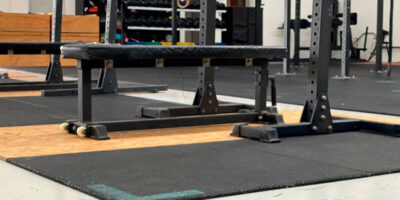
The tile acts as a layer between the training and the base of the space. It absorbs part of the impact, prevents cracks in the original floor and slows the premature wear of the structure and equipment.
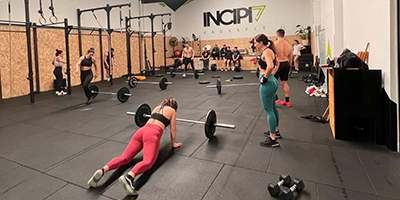
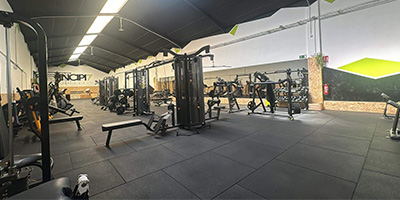
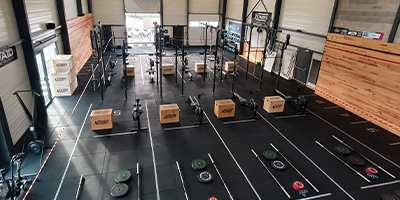
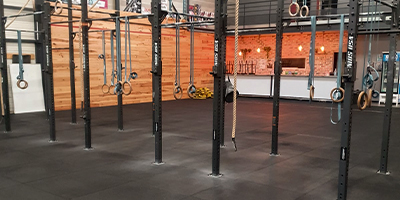
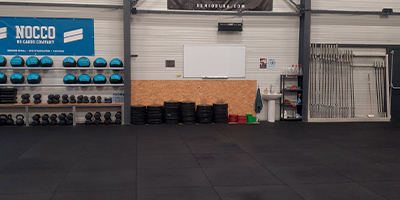
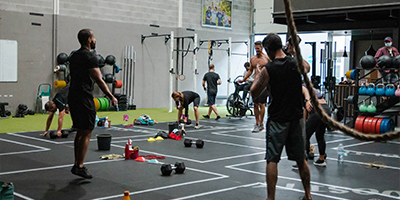
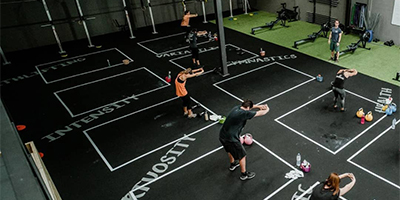
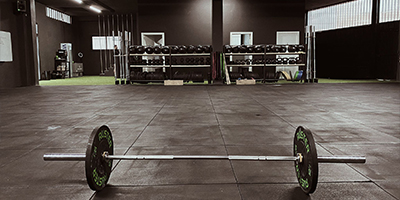
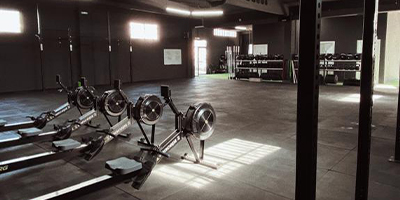
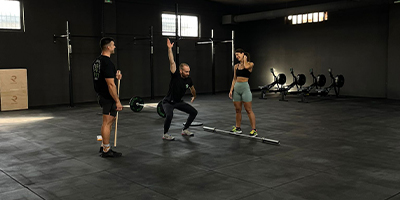
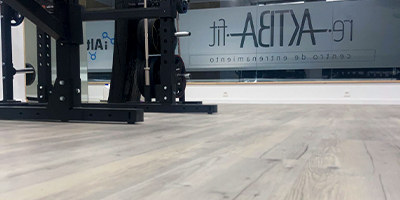
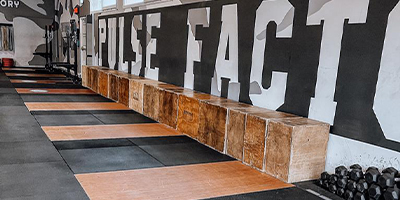
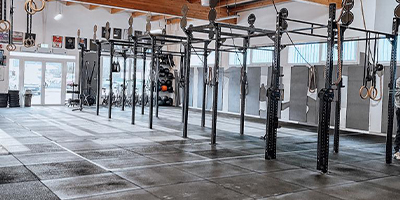
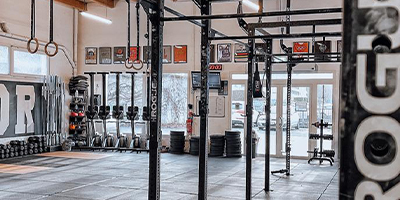
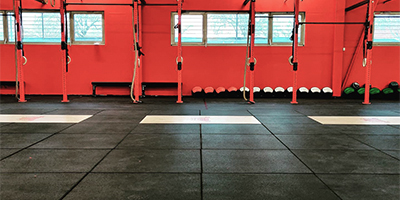
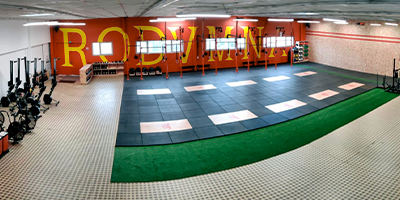
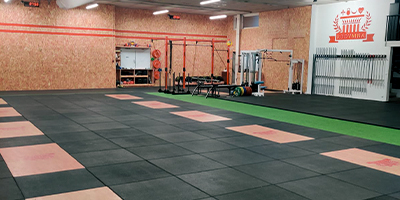
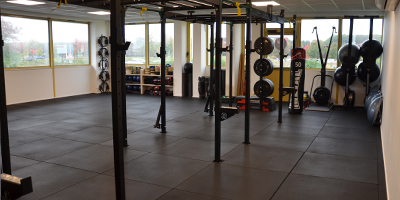
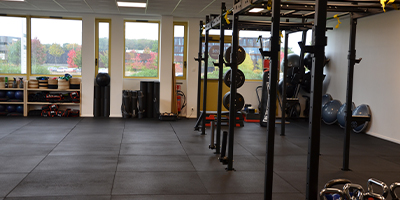
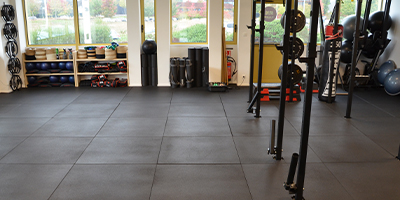
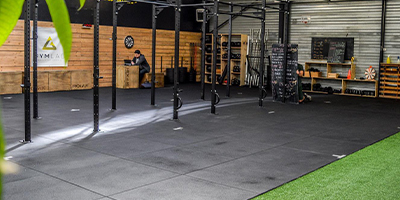
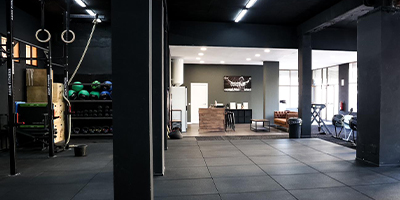
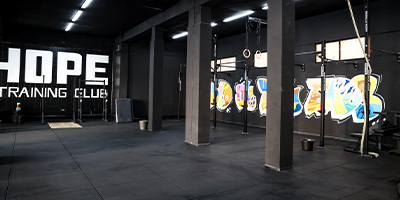
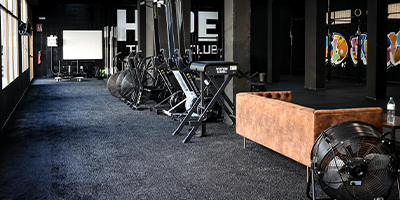
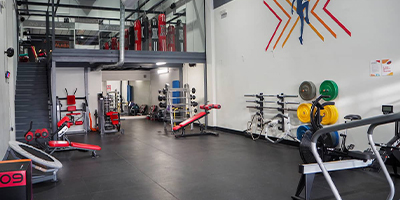
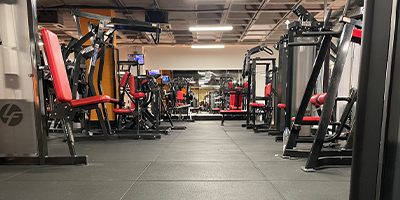
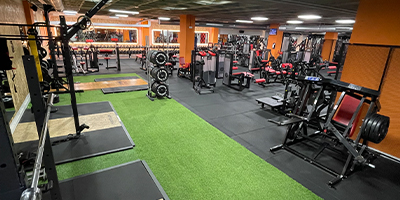
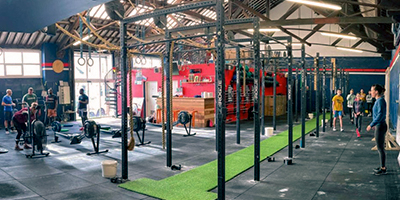
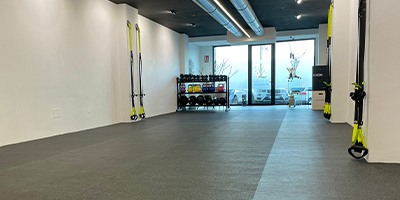
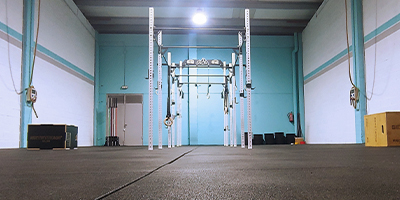
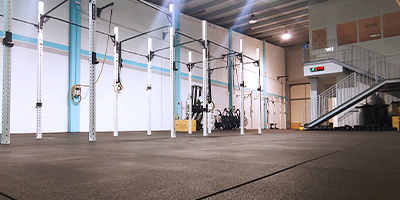
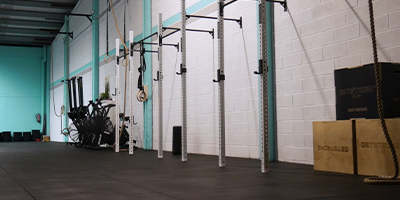
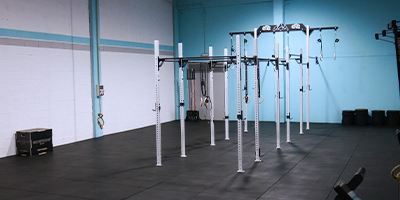
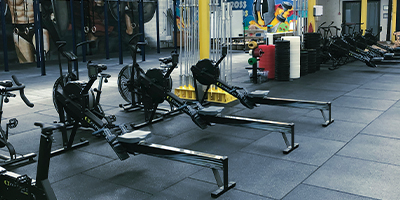
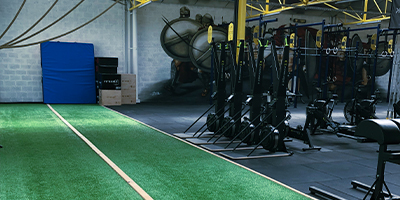
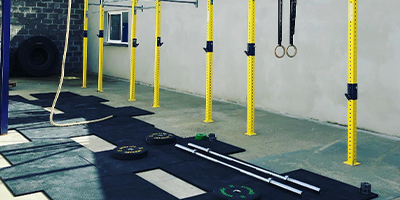
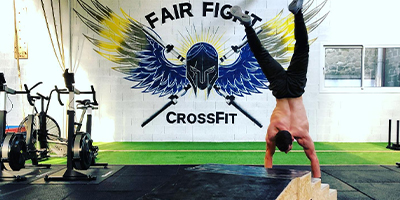
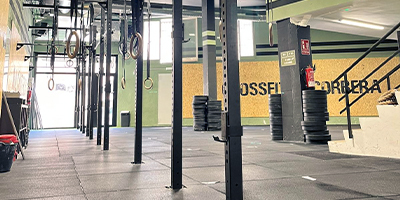
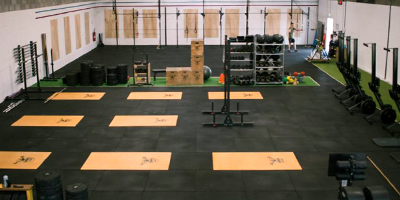
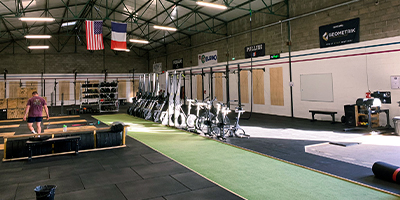
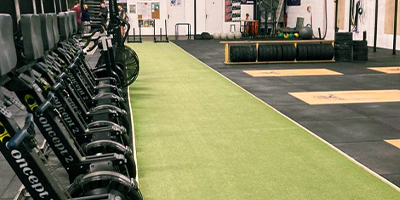
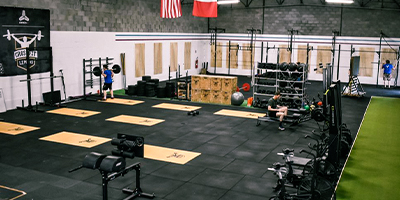
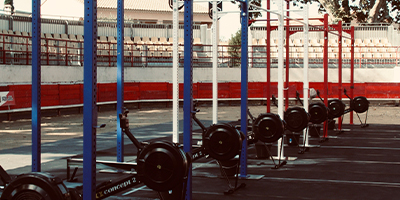
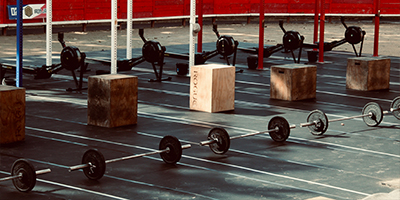
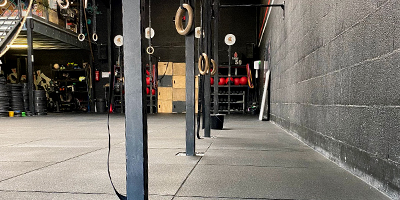
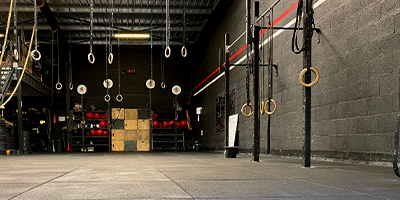
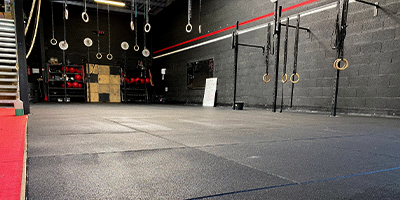
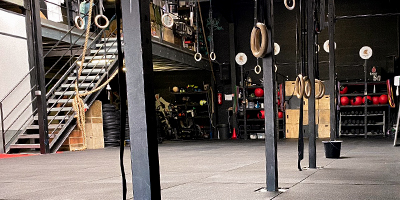
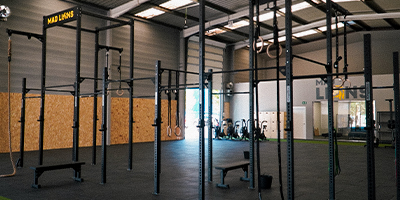
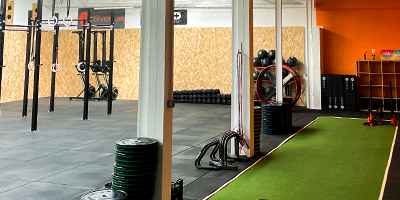
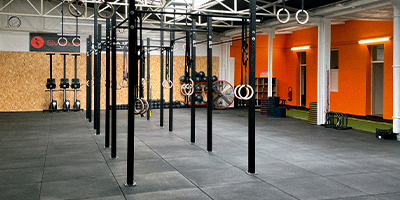
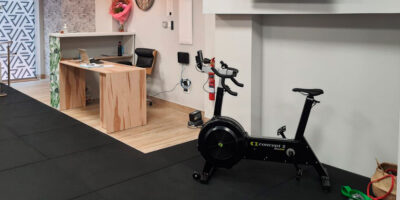
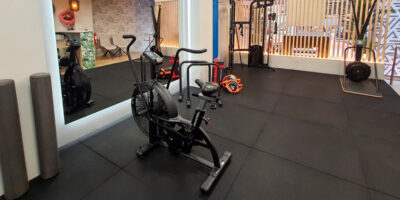
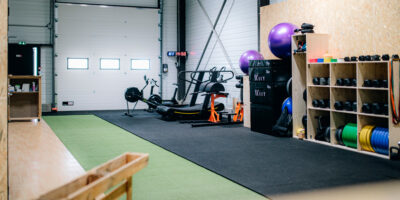
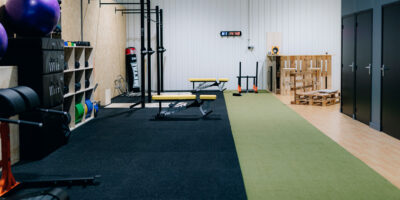
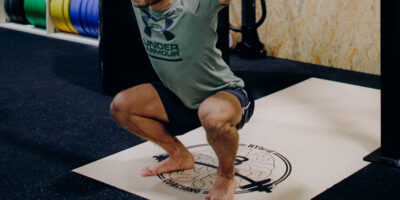
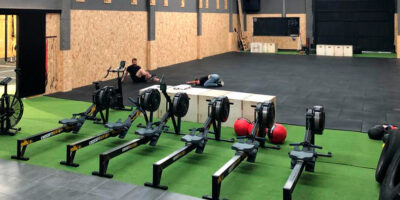
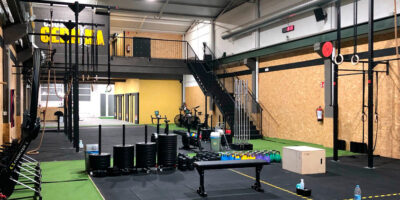
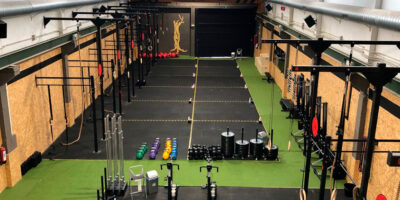
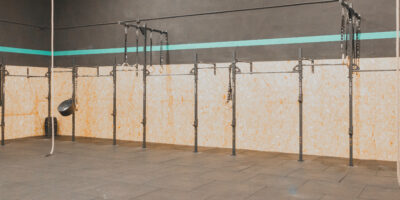
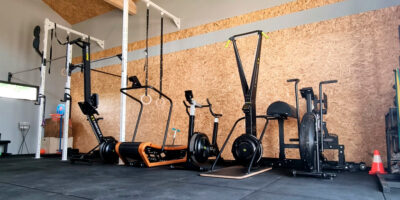
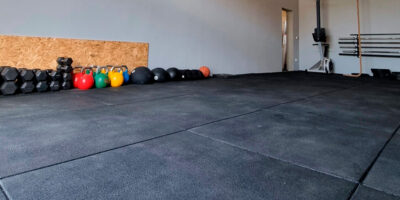
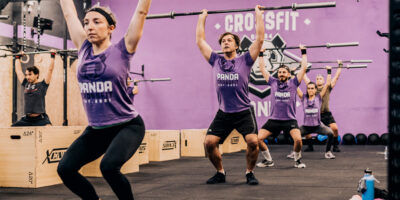
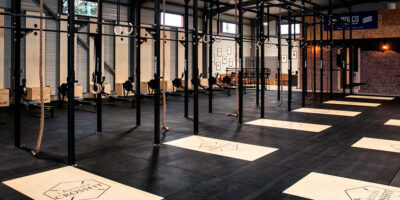
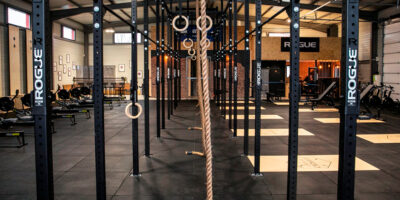
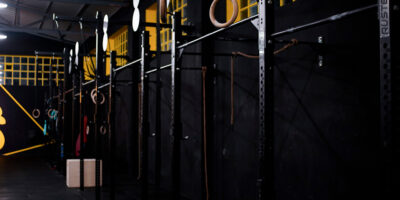
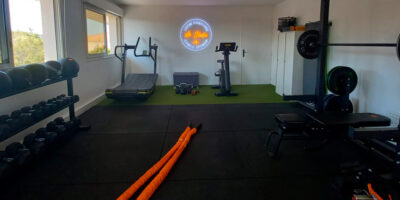
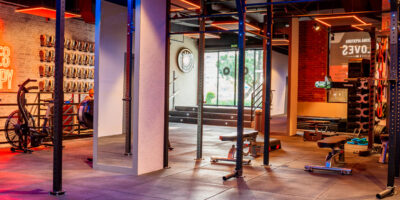
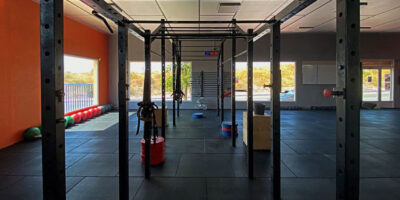
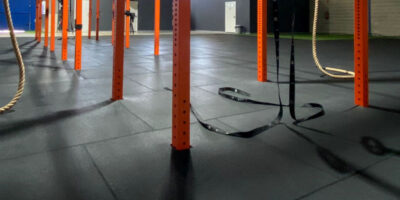
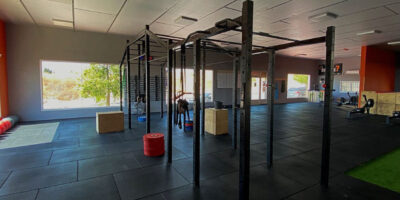
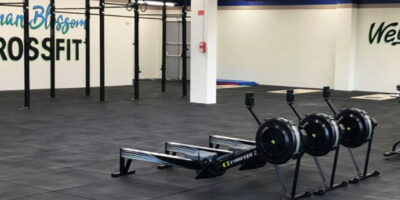
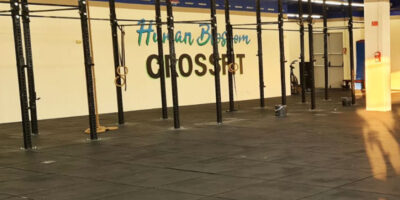
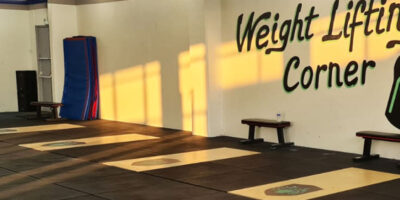
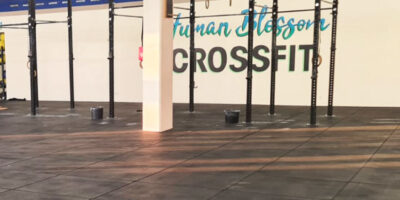
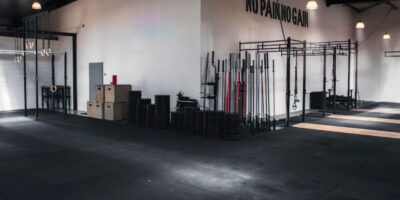
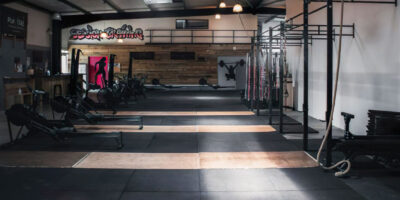
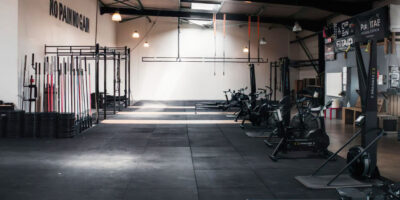
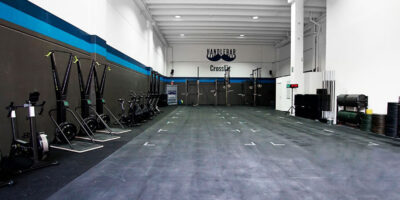
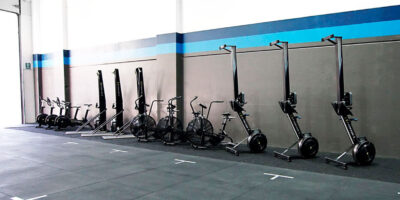
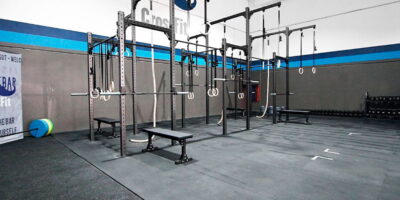
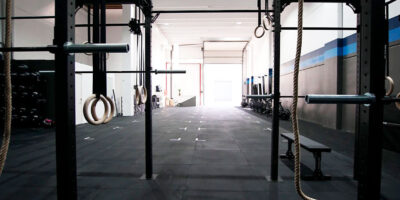
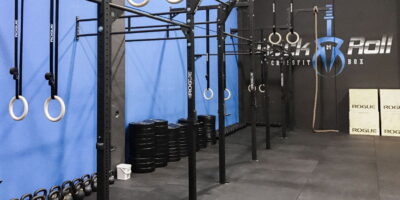
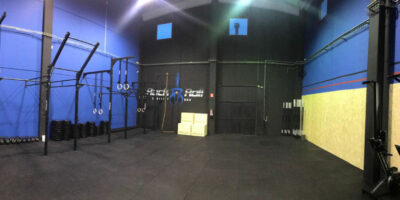
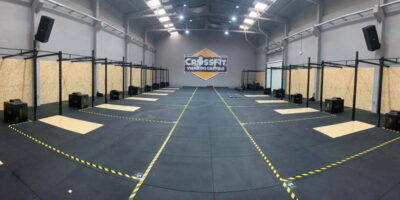
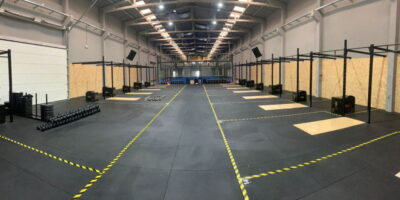
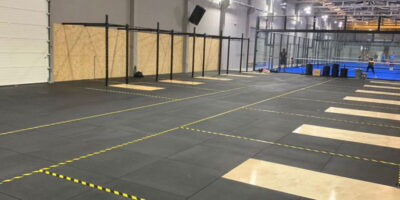
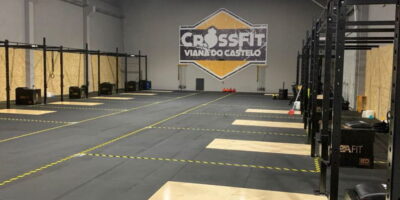
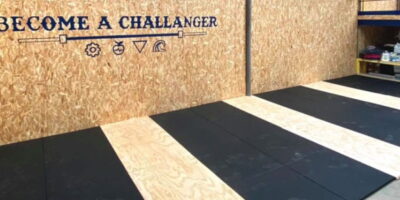
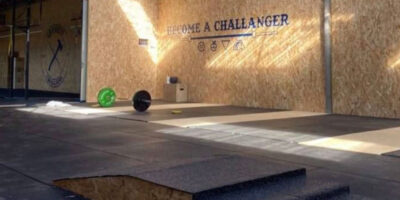
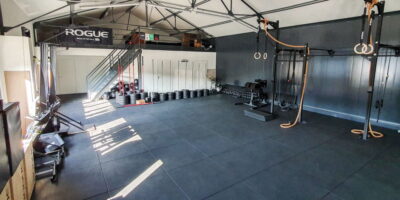
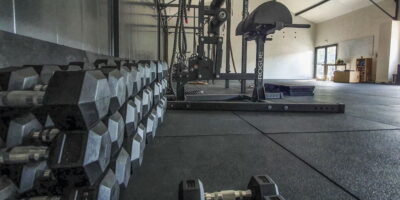
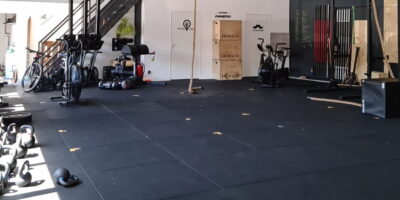
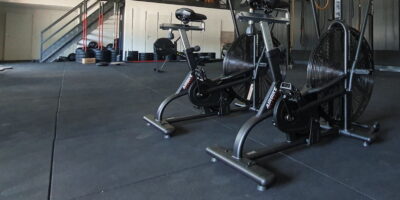
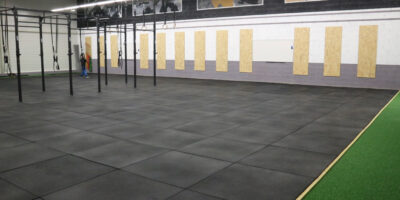
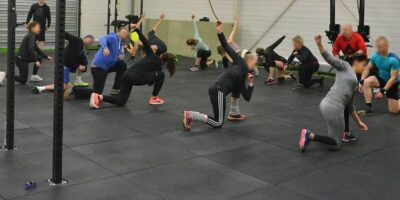
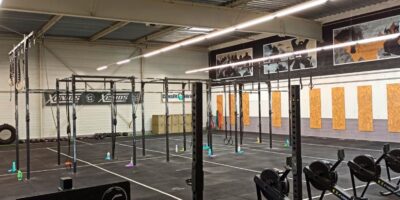
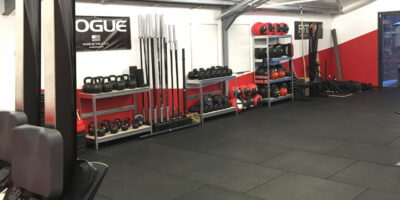
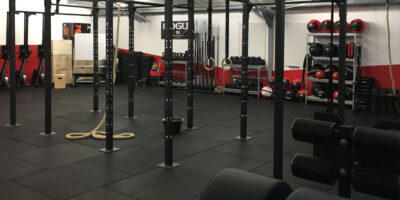
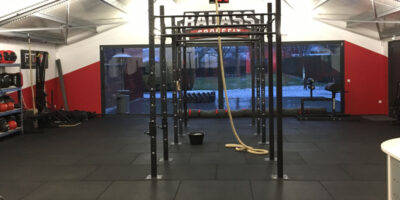
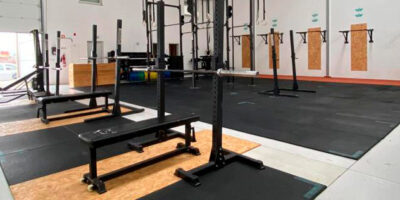
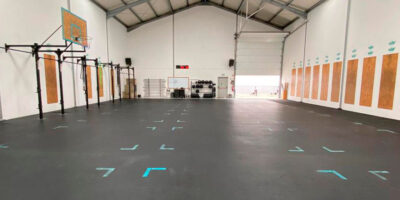
In practice, it’s what saves you the bill of redoing the floor in two years. At CrossFit Le Mans, 450m² of 25mm tiles were laid, and after more than a year of daily, intensive use, they show no signs of wear.
Non-slip and comfortable for safe training
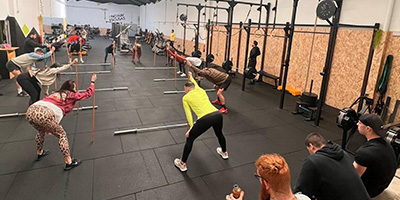
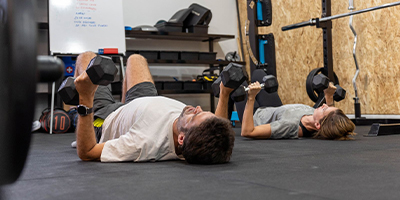
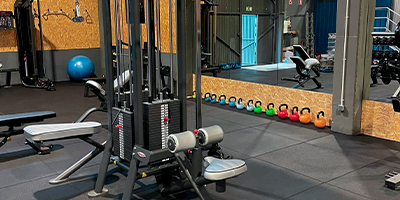
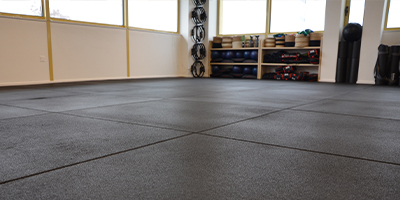
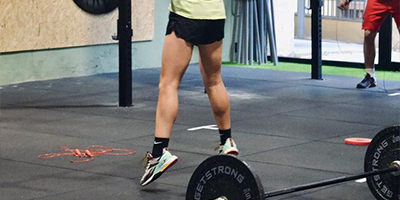
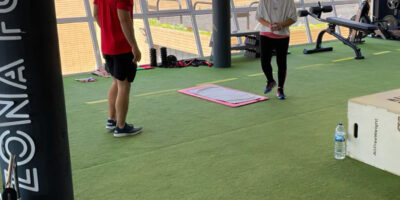
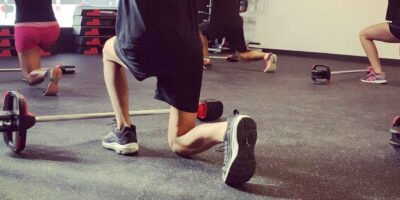
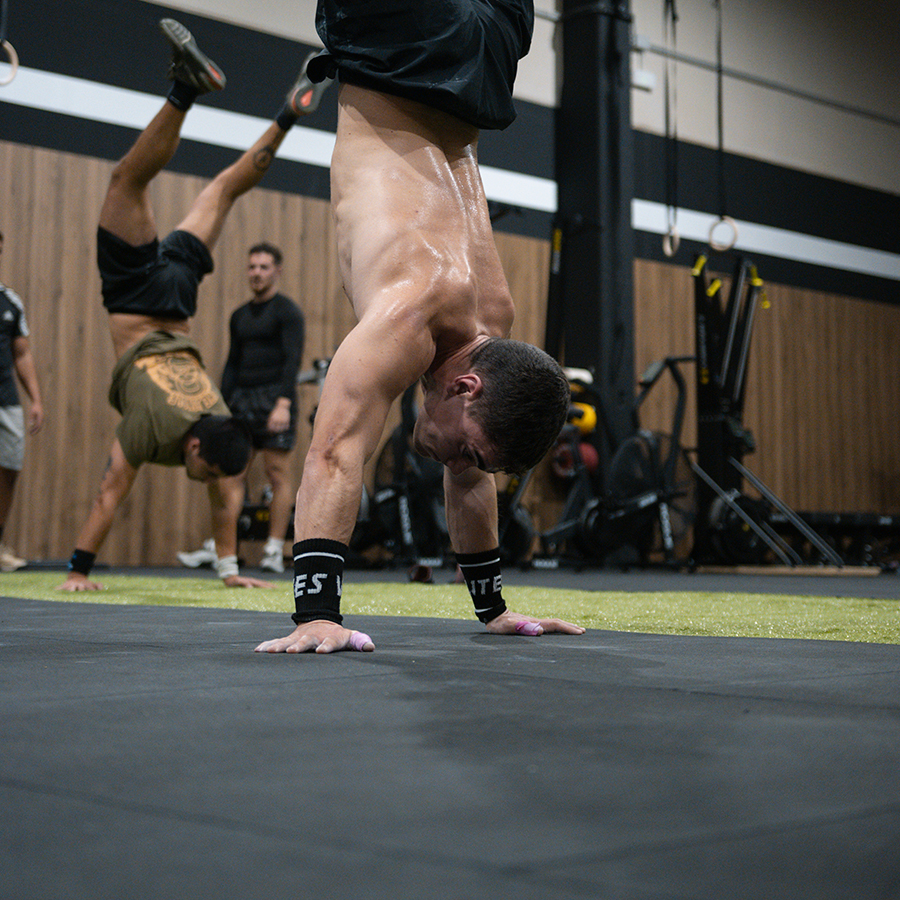
The surface is compact and non-slip, which gives stability in strength exercises and quick changes of direction. At the same time, it cushions the repeated impact on knees and ankles, and that matters as much for a one-off slip as for the years of training that follow.
What thickness of rubber gym tile should you choose?
It depends on training intensity, equipment and the protection you need. As a guide:
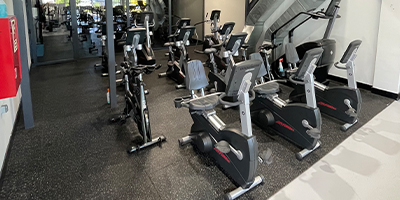
- 10mm and 15mm: cardio, machines and walkways.
- 20mm and 25mm: strength training and functional training.
- 40mm: weightlifting, Olympic lifting and high-impact zones.
Each tile weighs the equivalent of its thickness: the 25mm weighs 25kg per m², the 40mm weighs 40kg. The thinner it is, the more worth gluing down, especially outdoors. If you’re unsure about your zone, send us the measurements and we’ll tell you the right thickness.
Rubber tiles or rolls?
Tiles install faster: you lay them and fit them together, with no glue in most cases. They give you the freedom to set up temporary zones, change training areas or take the floor with you if you move premises. Rolls are worth it when you want a continuous, seamless finish. For most boxes and gyms, tiles are the more practical option.
Trusted by hundreds of gyms and boxes
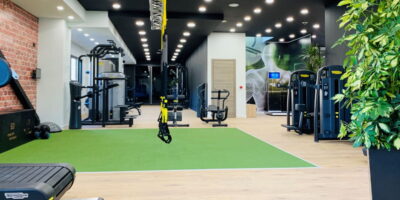
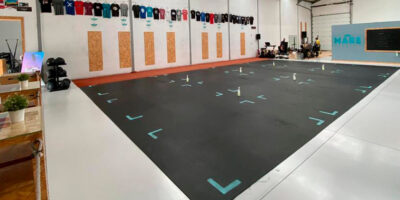
We equip boxes, gyms and studios across Portugal, Spain, France and Italy, with a 4.9/5 rating from over 849 reviews on Google. CrossFit Le Mans, CrossFit MADEC and The Camp HQ train on Alpha RX every day. It’s the kind of proof a catalogue can’t invent.