


Gym Flooring
The right flooring protects your space, your equipment and everyone who trains.
Each discipline calls for a different solution, which is why we work with a full range of gym flooring, from rubber to artificial turf, from vinyl to tatami.
-
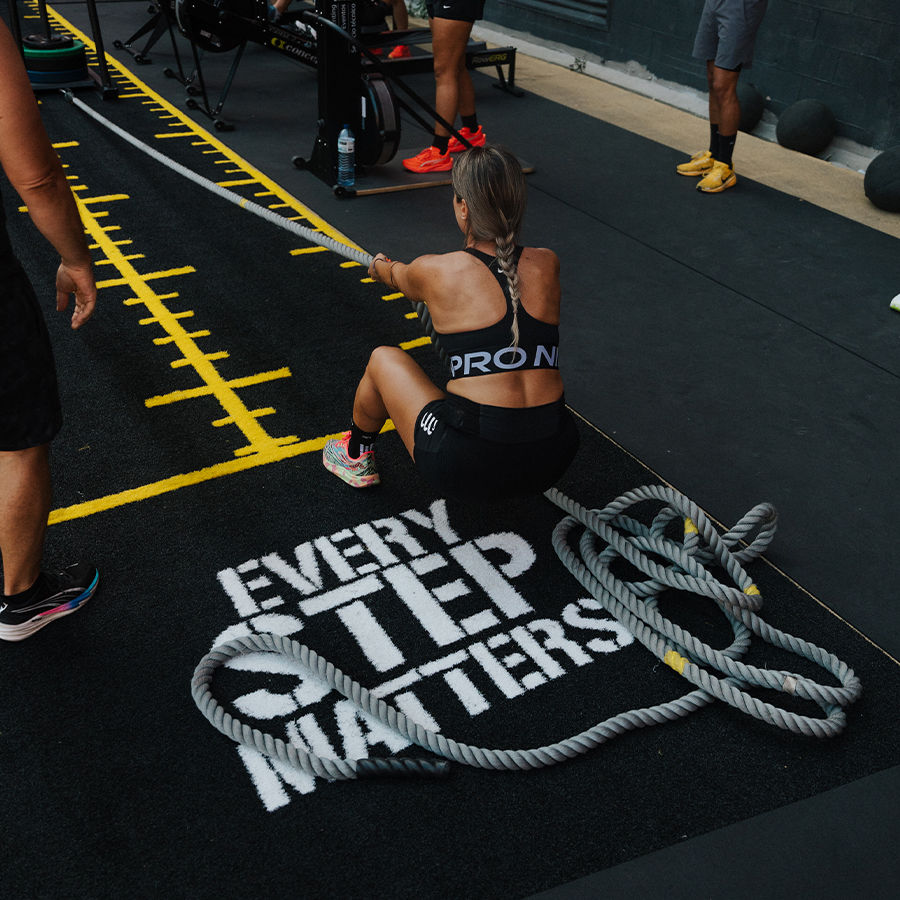
Artificial Turf HybridTrail for Hyrox
Built for sled push, sled drag and every pull-and-push exercise.
HybridTrail is a 15mm gym turf built for training spaces that include Hyrox or hybrid fitness in their programme.
CrossFit/Cross TrainingFunctional TrainingHyrox -
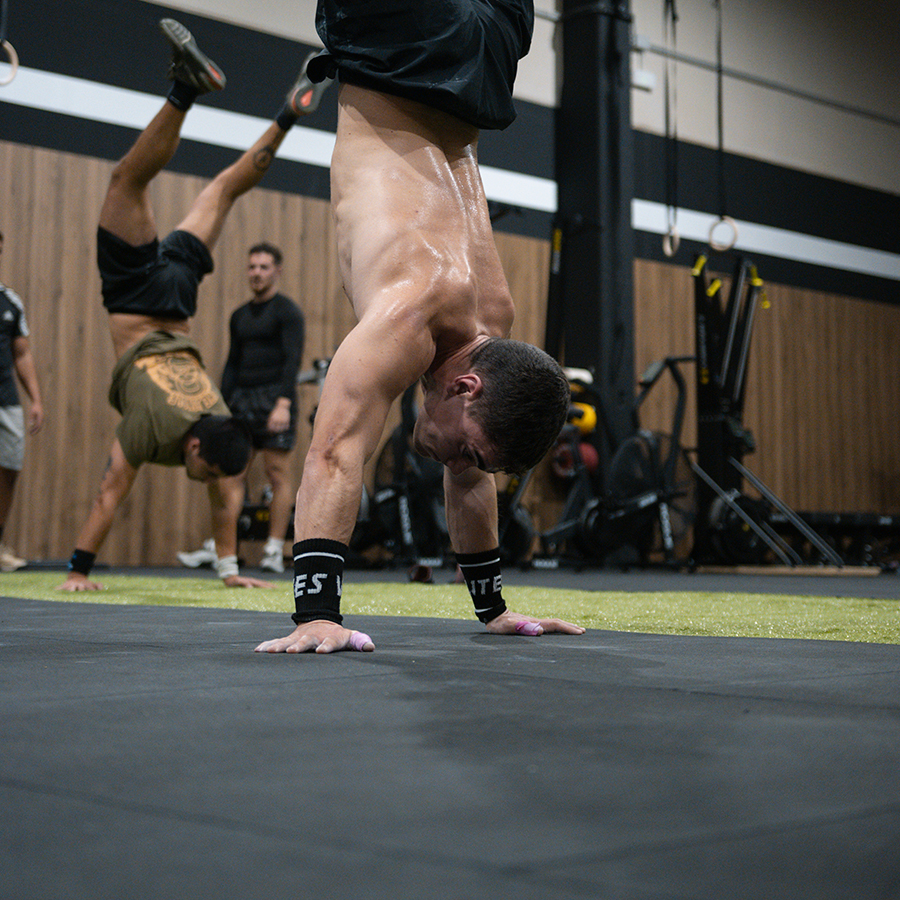
Rubber Gym Flooring Tiles Alpha RX
Rubber Tile
Absorption and resistance in high-impact exercises
Cardio/Bodybuilding EquipmentCrossFit/Cross TrainingFunctional TrainingHomeGym -
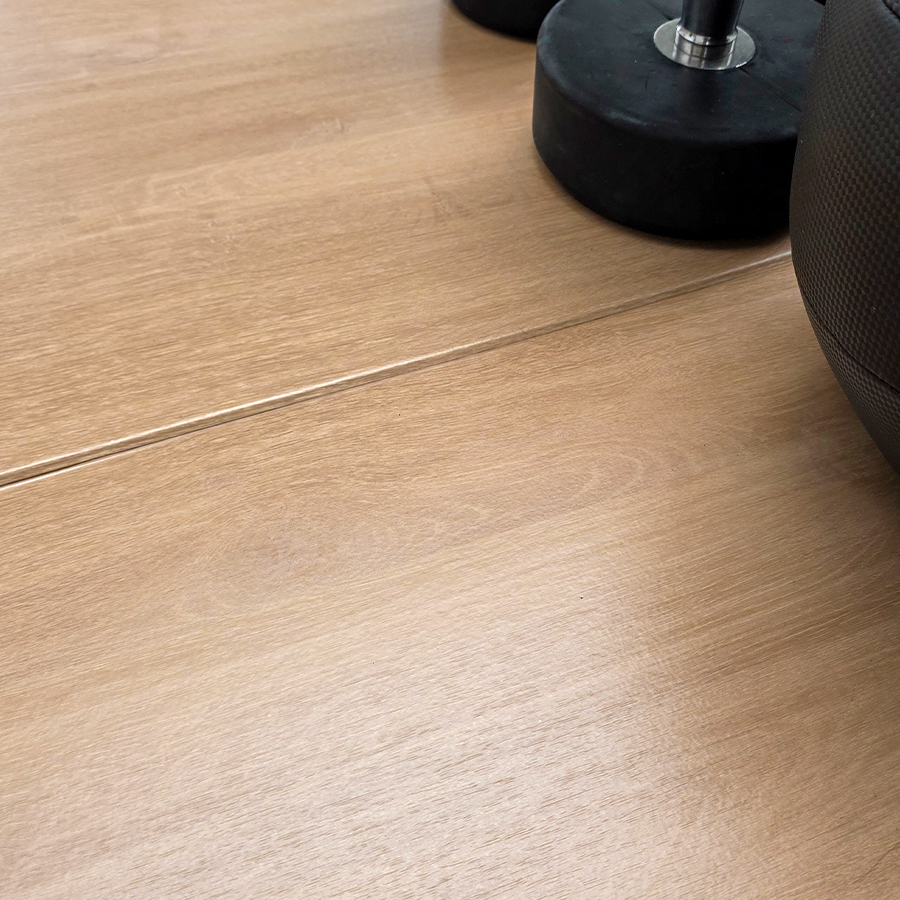
Rubber Tile with Vinyl Finish Alpha Burly Vinyl
The look of vinyl flooring with the protection of a rubber base
Cushions impact and brings the look of a wood floor into a training area.
CrossFit/Cross TrainingFunctional TrainingModerate weight areasStrength training and equipment areas -
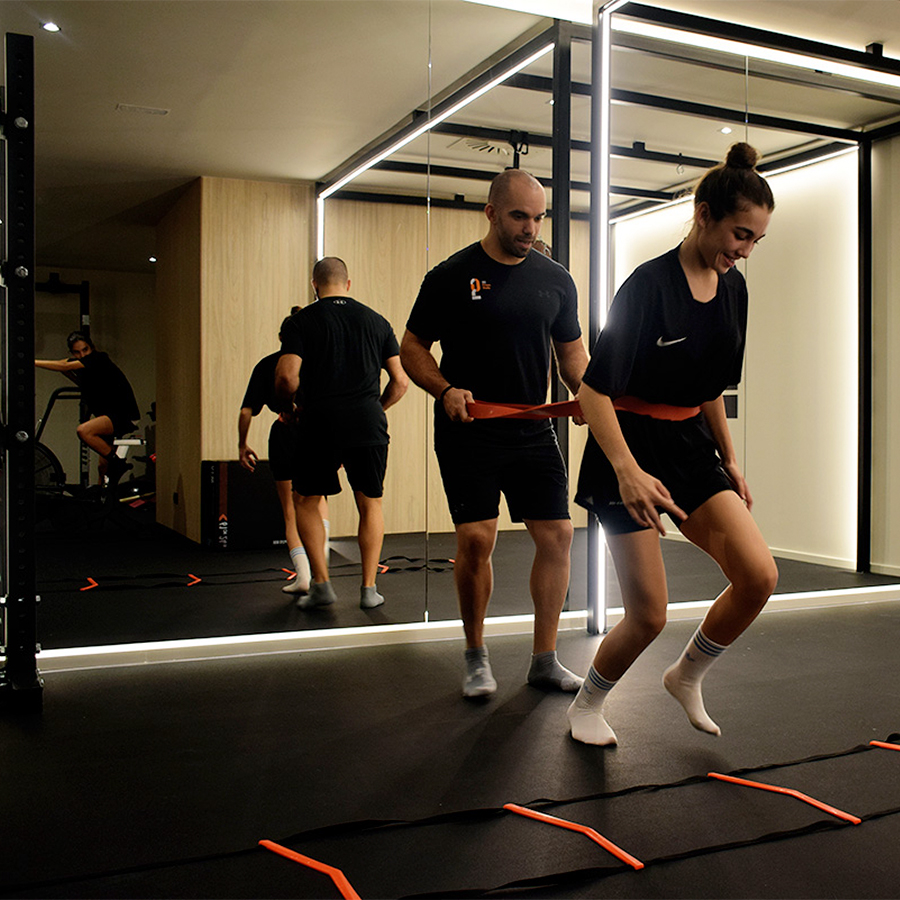
Gymfloor Rubber Gym Flooring Rolls
Rubber roll
Safety and durability for various fitness spaces
Cardio/Bodybuilding EquipmentCrossFit/Cross TrainingFunctional TrainingHolistic (Yoga/Pilates) -
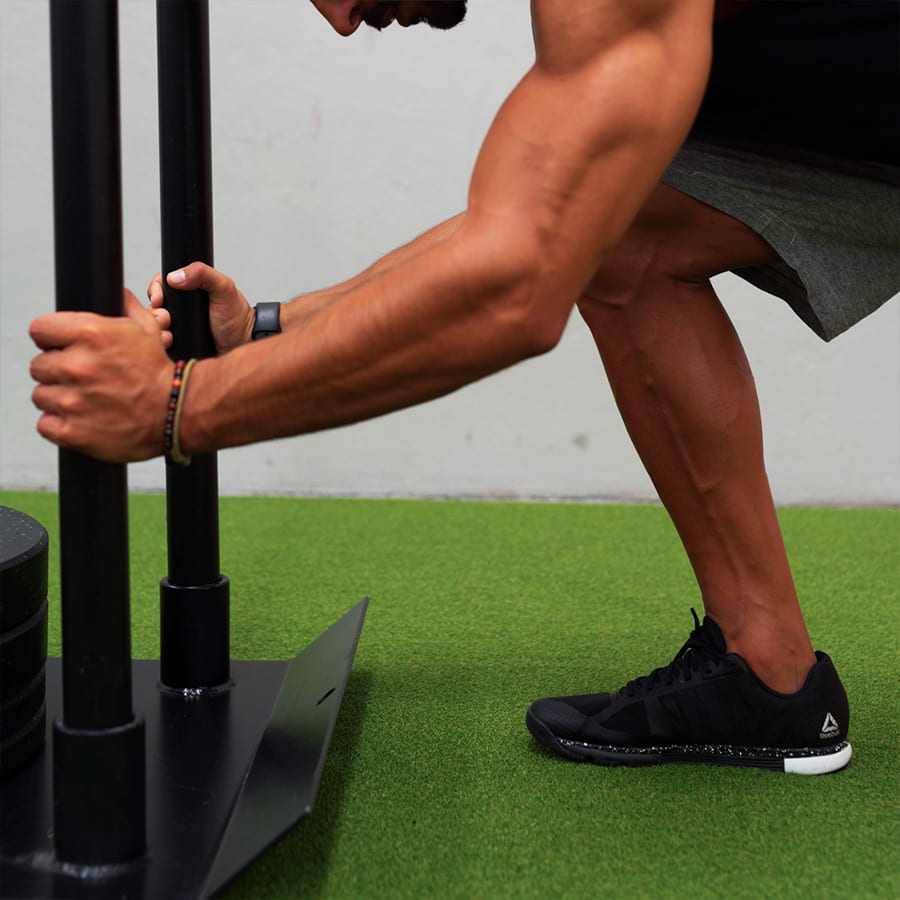
CurledTrail
Artificial grass roll
Enhanced performance in traction and sliding exercises
CrossFit/Cross TrainingFunctional TrainingGolfHomeGym -
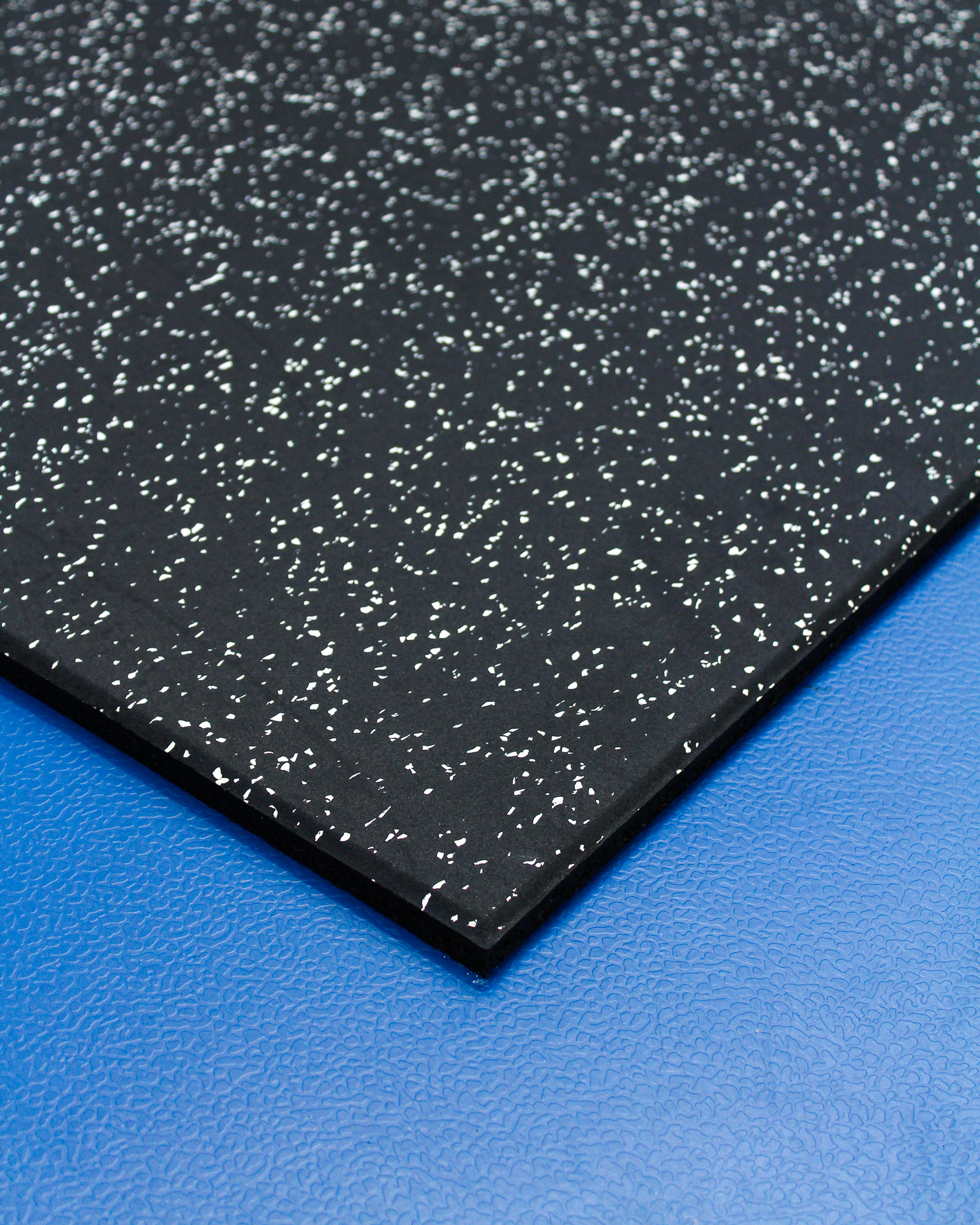
Alpha Burly
Premium rubber tile
Protection and absorption for weight training
Cardio/Bodybuilding EquipmentCrossFit/Cross TrainingFunctional TrainingHomeGym -
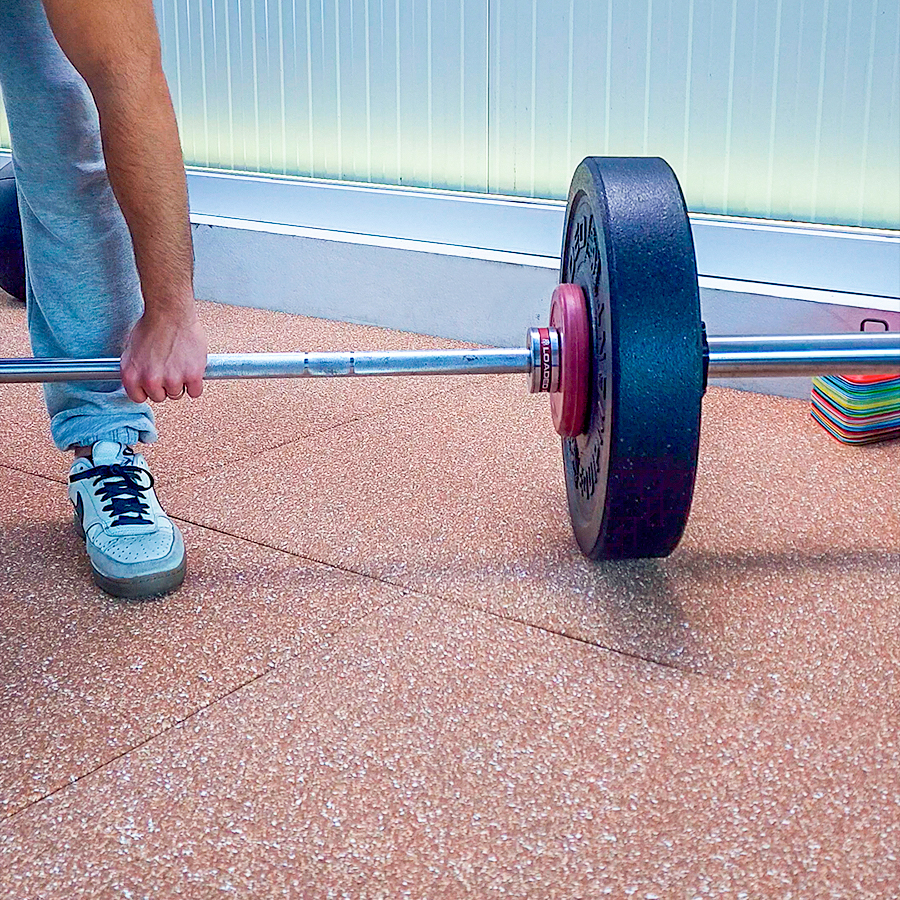
Alpha Burly Color
Premium colored rubber tile
Enhanced protection and shock absorption for heavy-load training in a color that reflects your facility.
Cardio/Bodybuilding EquipmentCrossFit/Cross TrainingFunctional TrainingHomeGym -
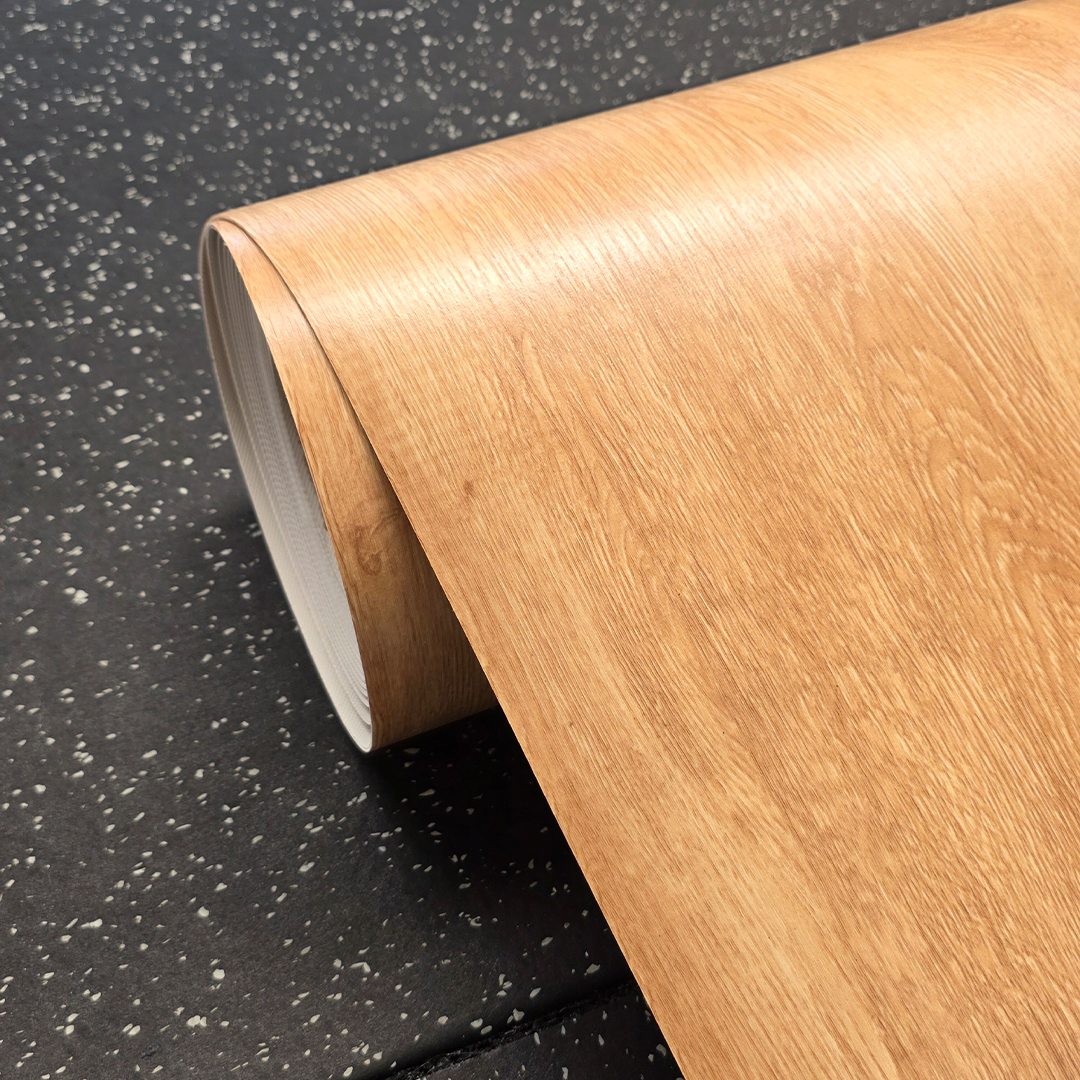
PrimeFlex commercial vinyl flooring
Durability, easy cleaning and six colours for gyms, receptions, lounges and commercial spaces.
Fewer seams, a more continuous finish.
Business PremisesCommercial areasGroup exerciseMachine areas -
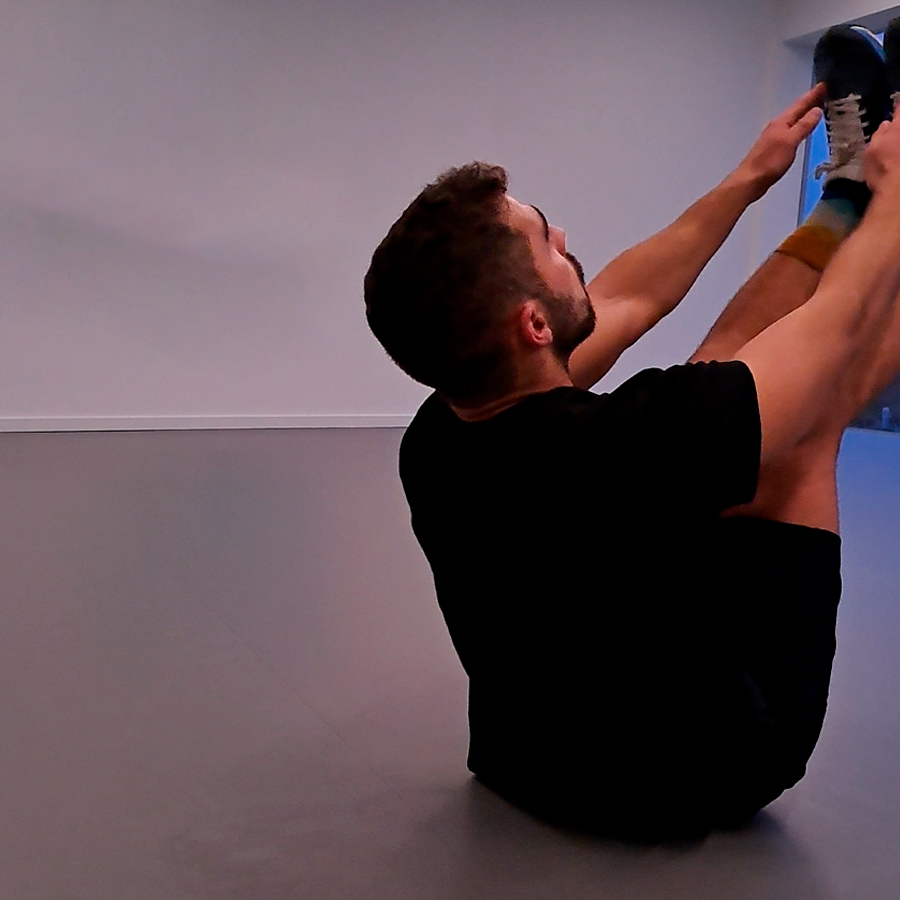
MultiFlex
Vinyl flooring roll
Stability and cushioning in the execution of movements
Dance studiosGroup lessonsYoga and pilates studios -
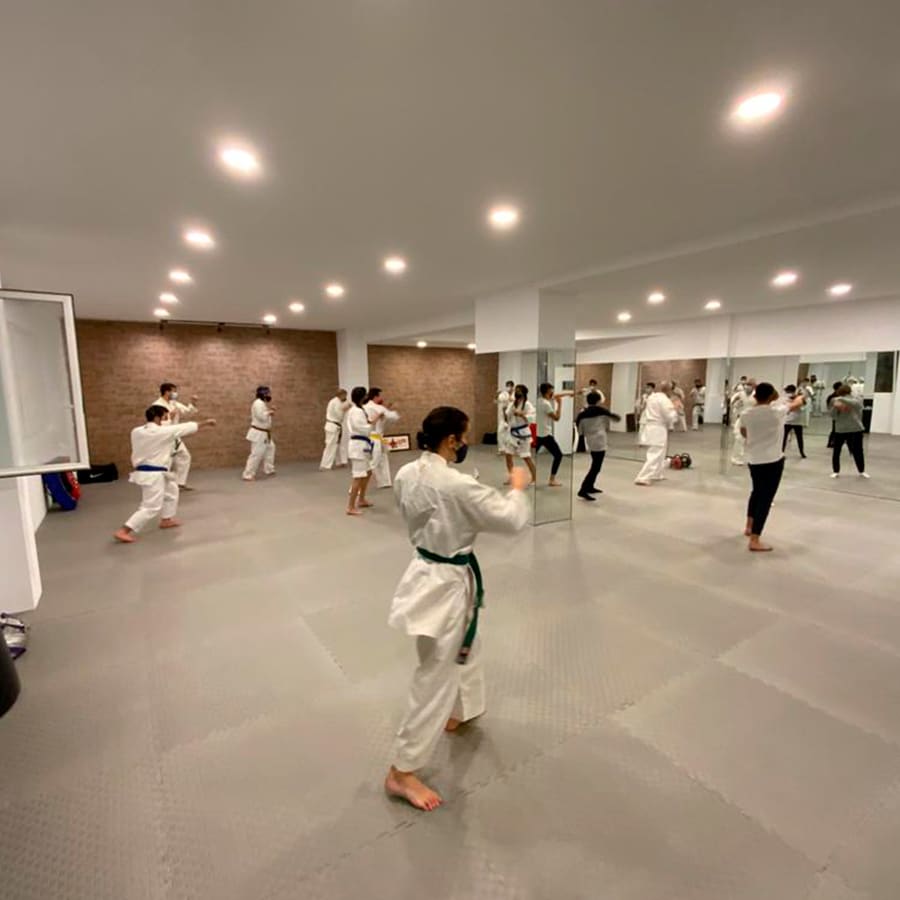
EVA Puzzle Tatami Mats for Martial Arts
EVA Foam Tiles
Maximum comfort in body contact exercises
Children’s playgrounds (schools/kindergartens)Holistic (Yoga/Pilates)HomeGymMartial Arts and Combat -
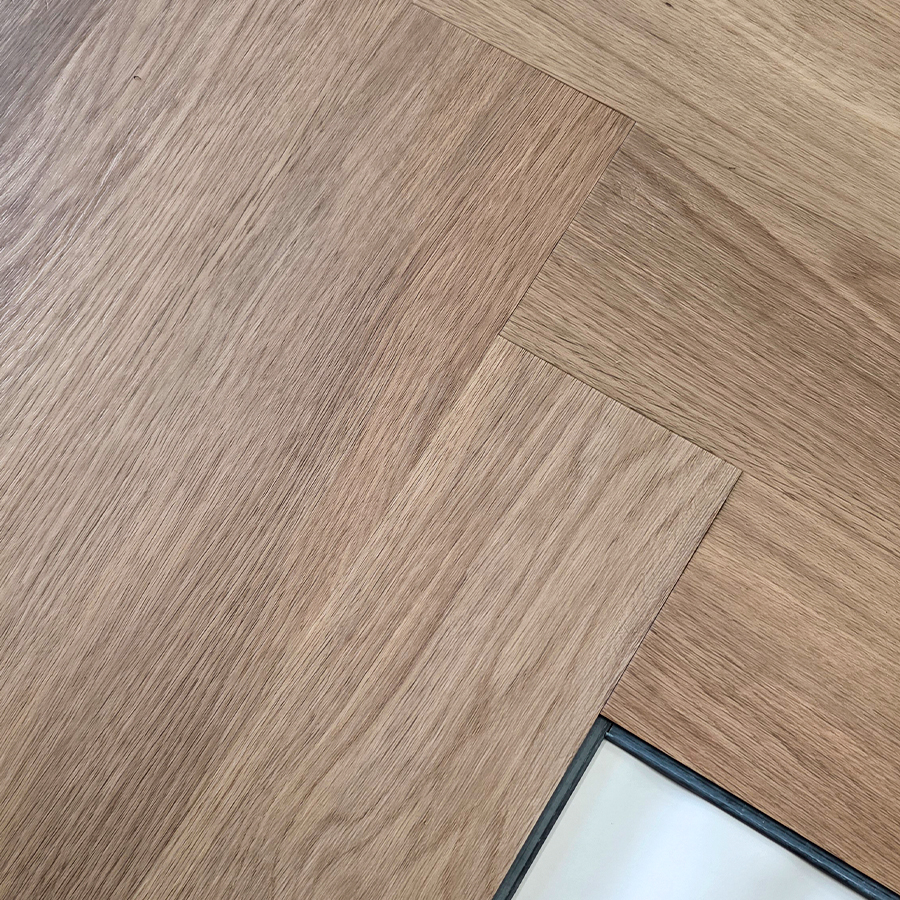
Herringbone Click Vinyl Flooring
Wood-effect herringbone flooring with easy-fit 5G click system and integrated underlay
Välinge 5G locking system and integrated IXPE underlay.
Business PremisesCommercial spaces and other indoor areasGroup exercise and dance studiosHotel gyms, spas and boutique studios -
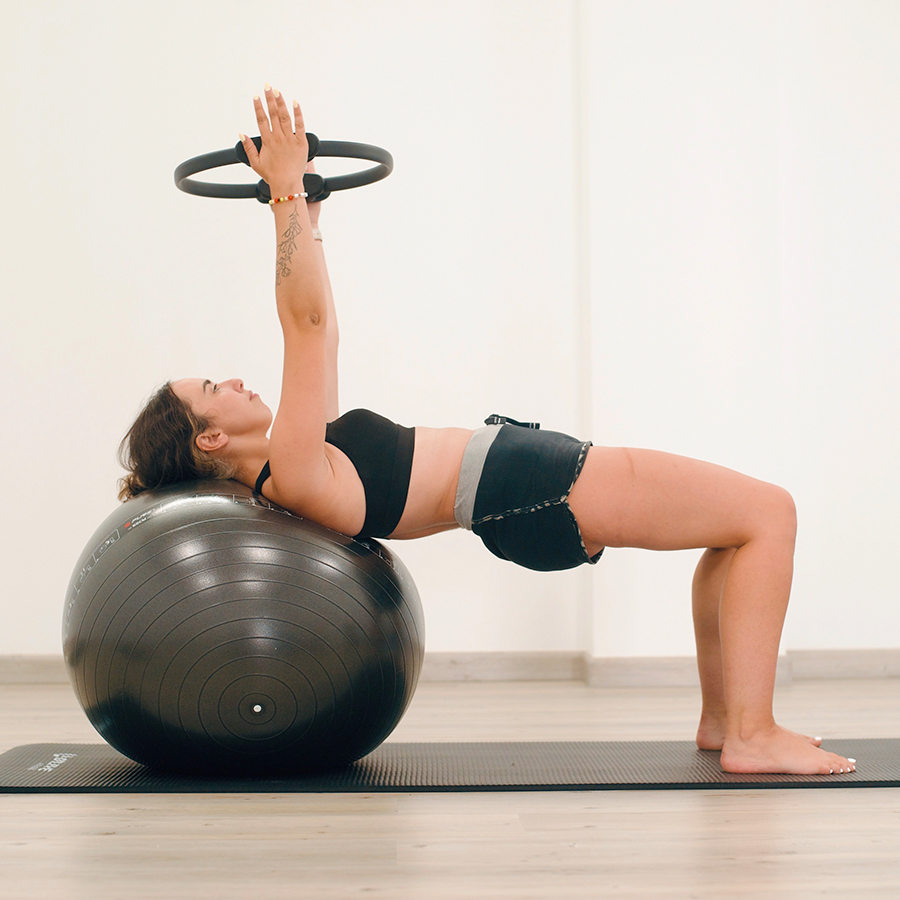
Vinyl click flooring
Floating floor
Better comfort in yoga, pilates, and holistic spaces.
Business PremisesChanging rooms and spasCommercial spacesYoga and pilates studios -
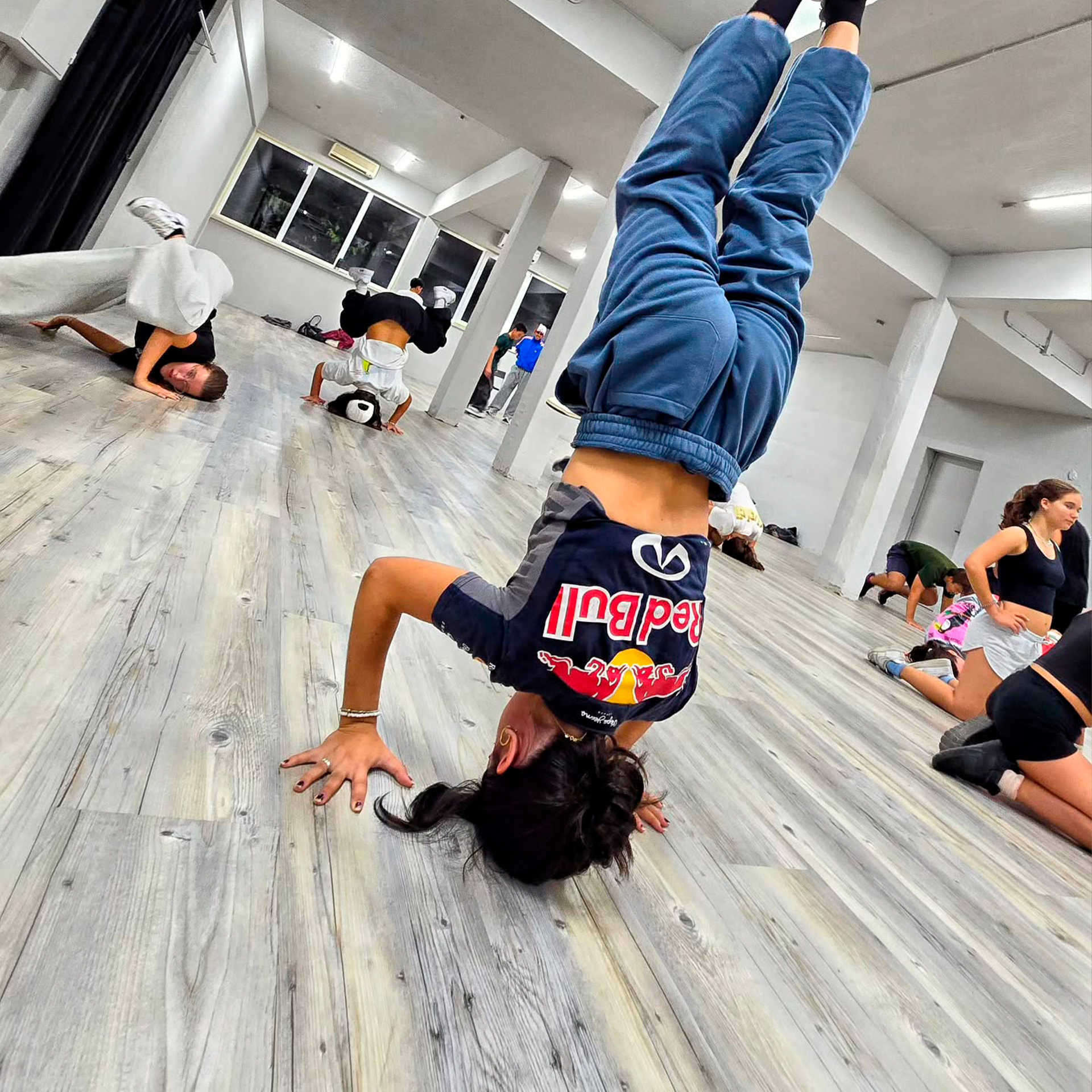
Self-adhesive vinyl flooring
Self-adhesive flooring
Comfort, stability, and elegance for yoga, pilates, and holistic activity spaces.
Business PremisesCommercial spacesReceptionsYoga and pilates studios -
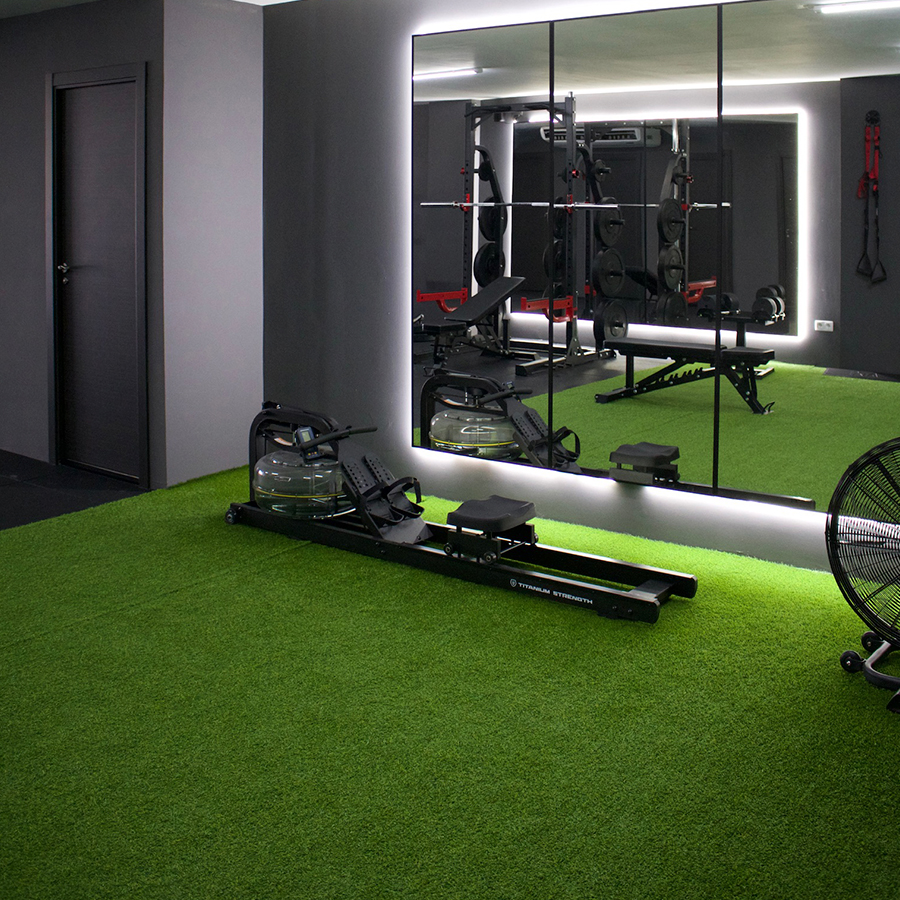
MultiTrail
Roll of artificial turf
Comfort and resistance for movement and speed exercises
CrossFit/Cross TrainingFunctional TrainingGymsHomeGym -
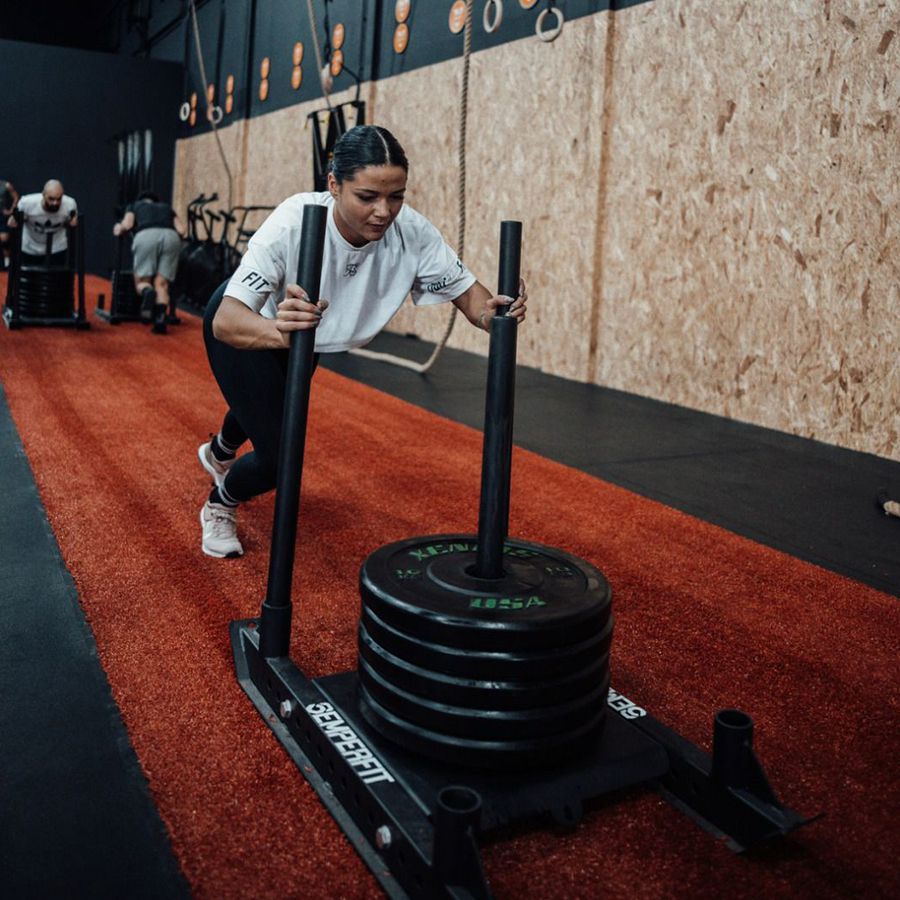
Trail15HD
Artificial grass roll
Resistance and adherence for high-intensity exercises
CrossFit/Cross TrainingHomeGymMulti-sports areasPadel -
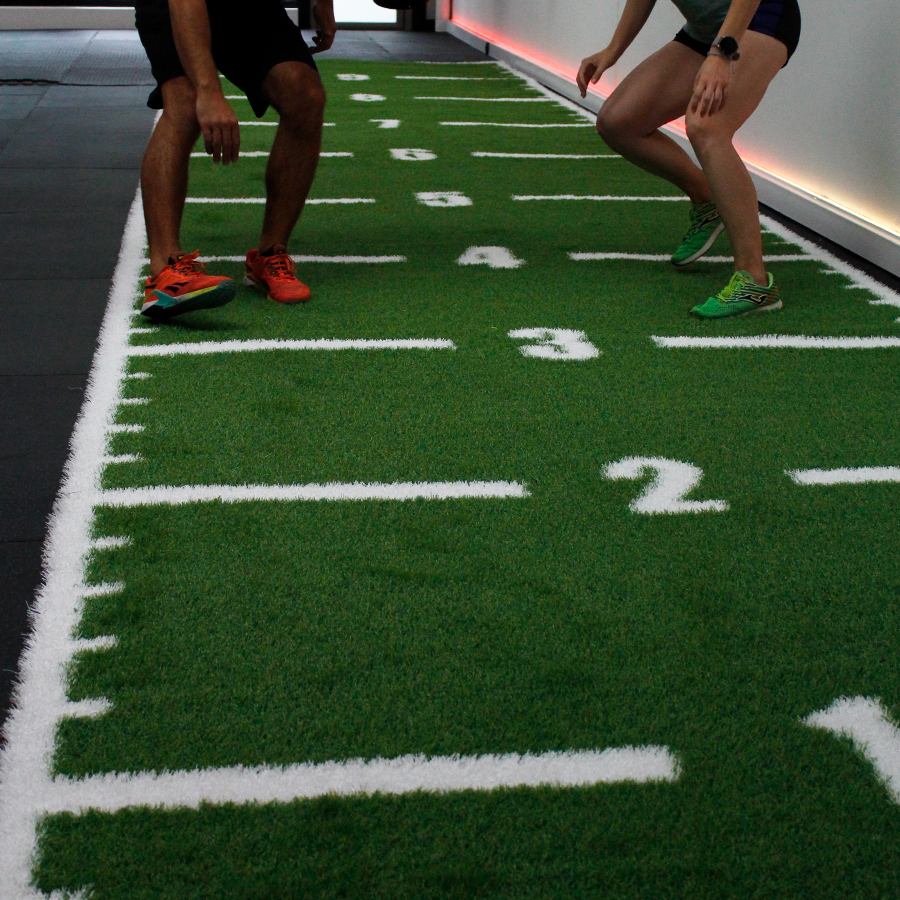
LadderTrail
Artificial grass roll
More precise speed and agility training.
CrossFit/Cross TrainingFunctional TrainingGymsHomeGym -
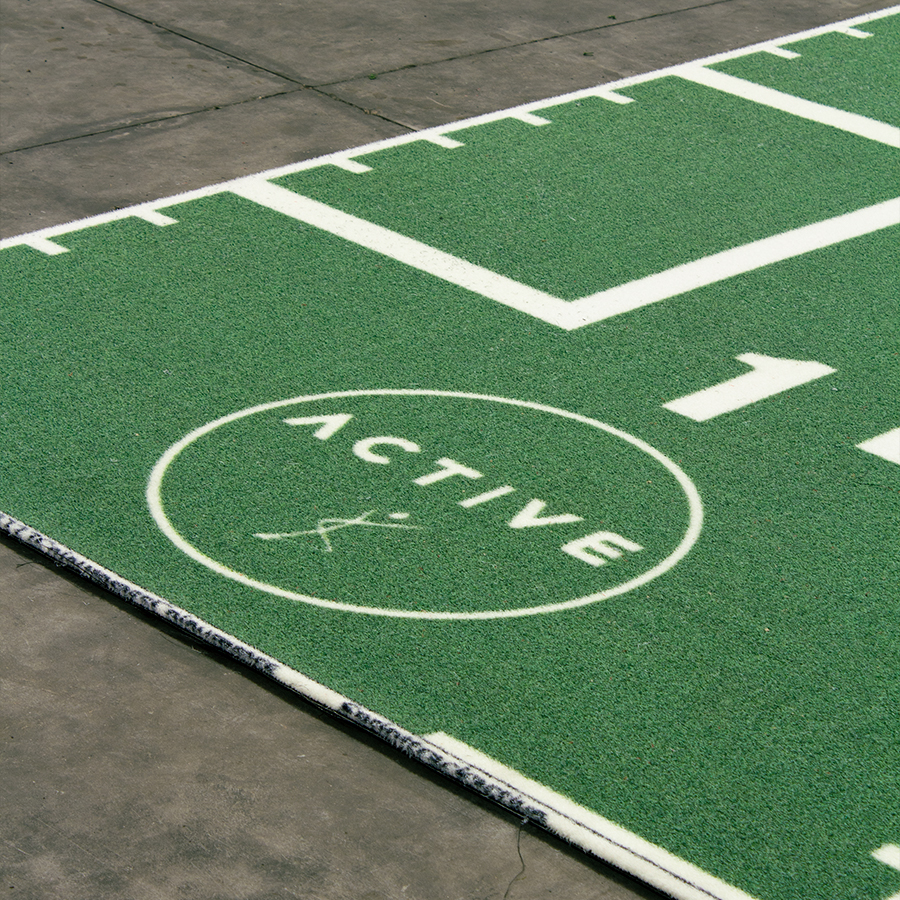
CustomTrail
Customized Artificial Grass
Comfortable premium space for training involving traction and sliding.
CrossFit/Cross TrainingFunctional TrainingGymsHomeGym -
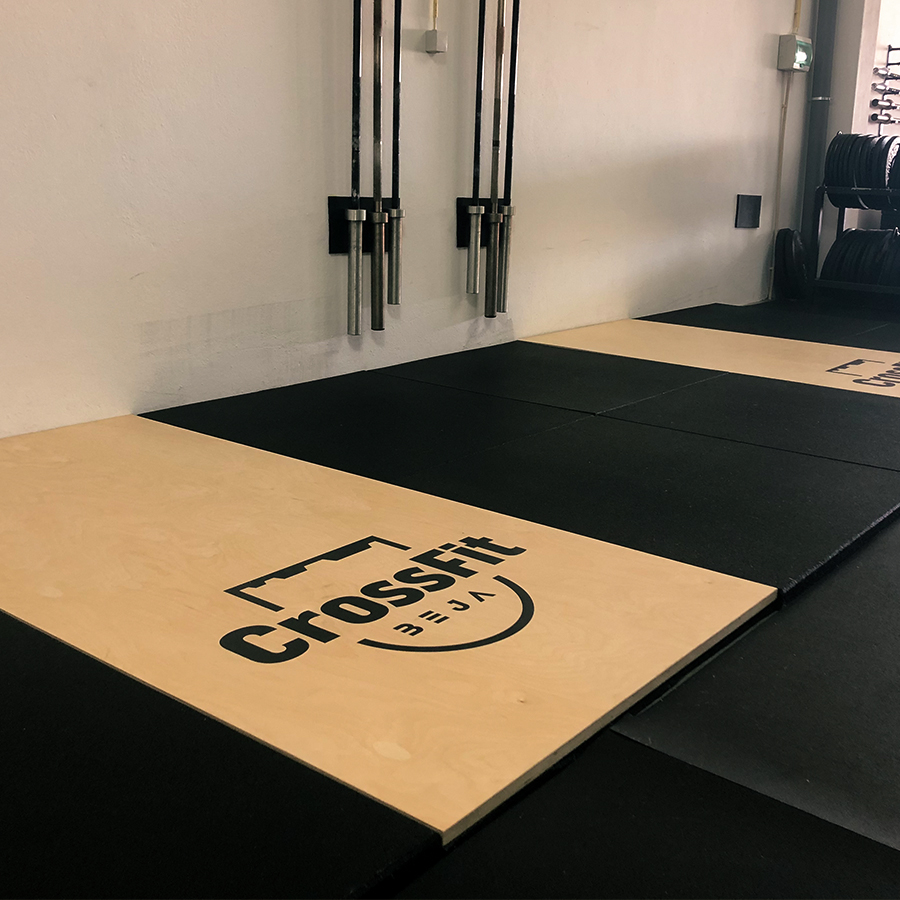
WoodenLift
Boards for weightlifting platforms
Stability for powerlifting and weightlifting.
GymsPowerliftingWeightlifting -
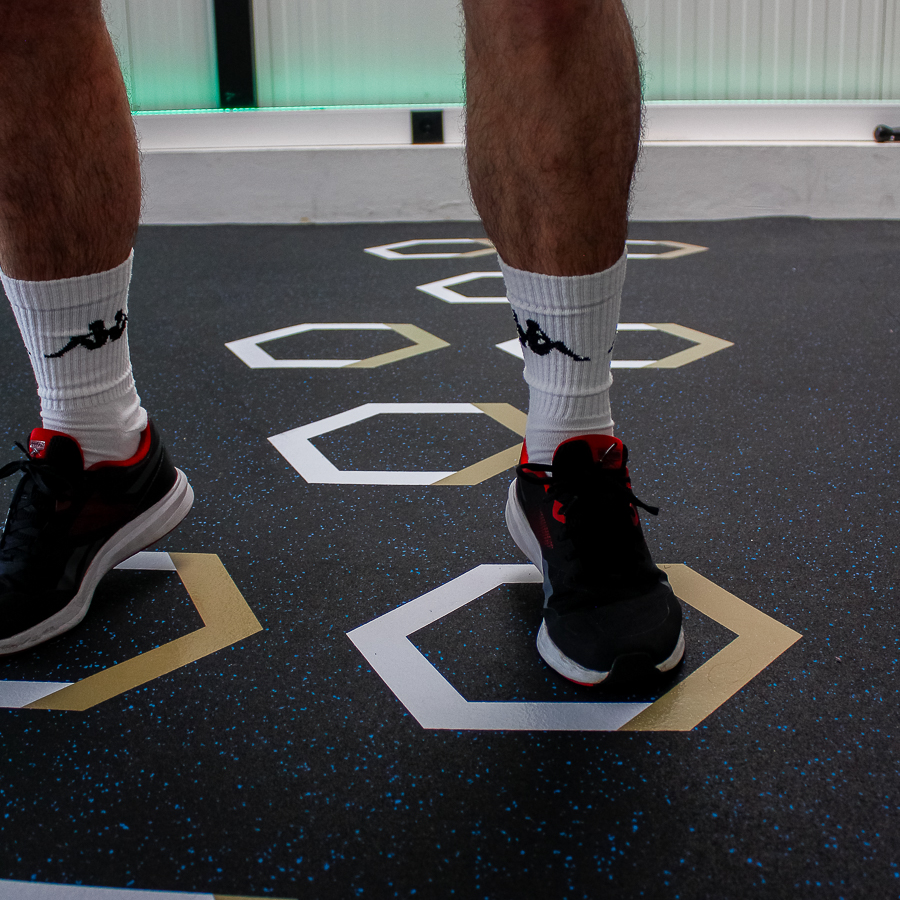
GymStickers
Vinyl markings for gyms
Durable vinyl markings for gyms. Standard or custom designs
GymsMulti-sports areasPhysiotherapy
Which flooring should you choose for your gym?
It depends on the discipline and the intensity of training. For load zones and dropped weights, like CrossFit, weight training and weightlifting, rubber is the answer, in tiles for impact or in rolls for a continuous finish.
For Hyrox, sprints and hybrid training, artificial turf gives traction and durability. For studios, yoga, pilates and group classes, vinyl combines comfort and looks. And for martial arts and self-defence, tatami cushions the falls with a practical interlocking system.
If you have several zones with different demands, the most common approach is to combine solutions. Give us the measurements and the type of training, and we’ll tell you what makes sense for each area.
How much does it cost to floor a gym?
It depends on the area, the type of flooring and the zones you want to cover. A box usually combines rubber in the load areas and turf on the tracks, with different costs per m². Send us the plan or measurements and the type of training, and we’ll prepare a proposal with the right solution for each zone.
Can I have different floors in the same space?
Yes, and it’s the most common setup. A gym rarely uses a single floor: rubber in the weights zone, turf on the sprint tracks, vinyl in the class studios. We plan the transition between zones so the space works as a whole.
How long does gym flooring last?
With the right density and thickness for the use, years of intensive daily use. What shortens a floor’s life is choosing below what the zone demands: a thin tile in a heavy-load area wears out quickly and forces a replacement. That’s why choosing by zone is what matters most.
Which flooring handles dropped weights without damaging the floor?
Rubber, in the thickness suited to the load. It’s what absorbs the impact of dropped barbells and protects the original floor and the building structure. For the most demanding lifting zones, there are specific solutions like weightlifting platforms.
Does gym flooring reduce noise for the neighbours?
Yes, especially thicker rubber, which absorbs the impact energy instead of passing it to the building. If your space is in a shared building or near homes, this is one of the criteria that weighs most in the choice.